Book Review: Preaching and Teaching the Last Things by Walter Kaiser

Walter Kaiser is a gifted Old Testament scholar who has the keen ability to be able to communicate well among lay people and scholars alike. In this new offering Dr. Kaiser does not disappoint. This book is especially geared toward pastors, but is also extremely helpful for all those who teach and desire to understand the Old Testament and it’s connections to the New Testament and the ultimate promise plan of God.

Dr. Kaiser lands somewhere between a “covenant” and “dispensational” theologian – in my opinion he is very balanced and makes an excellent case for each passage he exegetes. He definitely leans dispensational – taking passages and promises to Israel literally unless there is a textual indicator deeming otherwise.

The book is composed of six parts – covering different aspects of the end times. Each of these parts contains two or three passages of Scripture, and is broken down in this way:

1)   A discussion of the topic.

2)   Specific exegetical and sermonic helps for the specific passage being taught including: the text; title; focal point; homiletical key word; interrogative question; and teaching aim.

3)   A teaching outline for the passage.

4)   An exegetical discussion of the passage.

5)   Practical conclusions based on a thorough exegesis of the passage.

Here are the topics that Kaiser addresses in the book with thorough exegetical and insightful precision:

Part 1: The Individual and General Eschatology of the Old Testament

  1. Life and Death in the Old Testament (Psalm 49:1-20)
  2. The resurrection of Mortals in the Old Testament (Job 19:21-27)

Part 2: The Nation of Israel in Old Testament Eschatology

  1. The Everlasting Promises made to Israel (Jeremiah 32:27-44)
  2. The Future Resurrection and Reunification of the Nation (Ezekiel 37:1-28)
  3. The Future Return of Israel to the Land of Promise (Zechariah 10:2-12)

Part 3: The New Davidic King and the City of the great King in the Old Testament

  1. The Branch of the Lord and the New Zion (Isaiah 2:2-5; 4:2-6)
  2. The Extent of Messiah’s Rule and Reign (Psalm 72:1-17)

Part 4: The Day of the Lord and the Beginning of the Nations’ Struggle with Israel

  1. The Arrival of the Day of the Lord (Joel 2:28-3:21)
  2. God and Magog (Ezekiel 38-39)

Part 5: The Events of the Last Seven Years and the Arrival of the Western Confederacy

10. The Seventy Weeks of Daniel (Daniel 9:24-27)

11. The New Coming Third Temple in Jerusalem (Ezekiel 40:1-41:26; 43:1-11)

12. The Coming Antichrist (Daniel 11:36-45)

13. The Battle of Armageddon (Zechariah 14:1-21)

Part 6: The Coming Millennial Rule of Christ and the Arrival of the Eternal State

14. The Millennial Rule and Reign of God (Isaiah 24:1-23)

15. The New Creation (Isaiah 65:17-25; 66:18-24)

I think this book is a welcome addition to any Bible student’s collection – especially due to the neglect of roughly 20-25% of the Bible being of a prophetic nature. Those of us who teach and preach God’s Word are required to teach the “whole counsel of God.” My only complaint is that I would have liked to have seen him draw more parallels in the passages to Christ and how the gospel applies to believers in the here and now – and not solely in the past or future (read Tim Keller or Paul Tripp for excellence in this matter). Overall, I think it’s an excellent resource with wise insights into God’s Word and how His promise plan will ultimately be fulfilled.
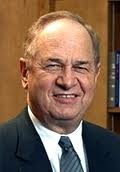
*Walter C. Kaiser Jr. (PhD, Brandeis University) is the distinguished professor emeritus of Old Testament and president emeritus of Gordon-Conwell Theological Seminary in South Hamilton, Massachusetts. Dr. Kaiser has written over 40 books, including Toward an Exegetical Theology: Biblical Exegesis for Preaching and Teaching; A History of Israel; The Messiah in the Old Testament; Recovering the Unity of the Bible; The Promise-Plan of God; Preaching and Teaching The Last Things; and coauthored (with Moises Silva) An Introduction to Biblical Hermeneutics. Dr. Kaiser and his wife, Marge, currently reside at Kerith Farm in Cedar Grove, Wisconsin. Dr. Kaiser’s website: www.walterckaiserjr.com

Book Review: Now, That’s a Good Question! By R. C. Sproul

Great Answers to God Questions

I love the format of this book: One of the finest theologians in America today, answering 300 questions from a radio audience off the cuff with answers to each of these individual questions in less than 4 minutes. The questions in this book are the original questions from the live call in audience, and the answers have been edited only insofar as missing assorted “uh’s” and “um’s.”

The questions are broken down Into 22 categories. R. C. Sproul is a reformed theologian and pastor, and his expertise is in the areas of theology, apologetics, philosophy, Bible exposition and interpretation. He is a brilliant communicator and has the ability to bring the cookies on the shelf for the layperson – no matter how complicated the issue. I have included all the categories listed below, along with two sample questions from the section.

1)    Knowing God (19 Questions asked and answered) – for example, “Why does God remain invisible?” and “Why does God love us so much?”

2)    Who Is Jesus (9 Questions asked and answered) – for example, “Was Christ capable of sinning?” and “Did Jesus ever laugh?”

3)    The Work of the Holy Spirit (10 Questions asked and answered) – for example, “Does every human being have the potential to receive the Holy Spirit?” and “What was the role of the Holy Spirit in the Old Testament?”

4)    The Book of Books (17 Questions asked and answered) – for example, “How were the books of the Bible selected and compiled?” and “How do you know the Bible is true?”

5)    The Way of Salvation (23 Questions asked and answered) – for example, “Why did God save me?” and “What do good deeds have to do with salvation?”

6)    Sin and the Sinner (13 Questions asked and answered) – for example, “What is meant by the term original sin?” and “Are there gradations of sin?”

7)    Faith and Philosophy (14 Questions asked and answered) – for example, “Doesn’t science disprove Christianity?” and “Is there a distinction between Christianity and religion?”

8)    The Power and Purpose of Payer (11 Questions asked and answered) – for example, “How can we, as Christians, have more power in our prayer lives?” and “Does God hear the prayers of the non-Christian?”

9)    The Growing Spiritual life (27 Questions asked and answered) – for example, “What do you do in your daily devotions?” and “What concerns you most about today’s Christian?”

10) Understanding Satan (6 Questions asked and answered) – for example, “Can the Devil read my mind?” and “Has Satan been given dominion over the earth until Jesus returns?”

11) Heaven and Hell (16 Questions asked and answered) – for example, “Will we recognize each other in heaven?” and “What happens to animals when they die?”

12) Sharing the Faith (10 Questions asked and answered) – for example, “What is faith?” and “Is the Christian faith really rational?”

13) Church Life (26 Questions asked and answered) – for example, “What are the basics to church growth?” and “What is the most crucial issue confronting today’s church?”

14) Marriage and Family (22 Questions asked and answered) – for example, “What should make Christian marriages distinctive?” and “Are there biblical grounds for divorce, and if so, what are they?”

15) Career Issues (9 Questions asked and answered) – for example, “What is the biblical concept, if any, of retirement?” and “How can an employer show employees Christlike dignity?”

16) Money Matters (10 Questions asked and answered) – for example, “What do you believe the Bible teaches about tithing as it relates to Christians today?” and “Is there a clear biblical position against lotteries and casino gambling?”

17) Life-and Death Issues (7 Questions asked and answered) – for example, “Does the Bible say anything about euthanasia?” and “What should be the Christian stand on the death penalty?”

18) Suffering (12 Questions asked and answered) – for example, “What is the difference between God testing us and tempting us?” and “If God is all powerful, then why does he allow suffering?”

19) The End Times (12 Questions asked and answered) – for example, “Are we living in the last days?” and “What does Scripture teach us about the future role of Israel?”

20) Lifestyle Ethics (17 Questions asked and answered) – for example, “Should Christians impose their ethics on non-Christians?” and “Is it wrong for scientists to engage in genetic engineering?”

21) Christians and Government (13 Questions asked and answered) – for example, “Are biblical solutions to world problems outdated?” and “Should Christians work to have Christian values in public policy?”

22) Puzzling Passages (19 Questions asked and answered) – for example, “Why in the Old Testament does God demand so much violence and war of the Jewish nation?” and “The Lord says in the Old Testament that he loved Jacob but he hated Esau, and in 1 John, John actually says that if we say we love God but hate our brothers, we’re wrong. How can we reconcile these two passages?”

I think this is a resource you will use for life – especially for Christian leaders, pastors, counselors, missionaries, and teachers – who deal with similar questions in their respective ministries on a regular basis. The index in the back of the book makes this a resource that you can use to find if a specific question you are struggling with, or have been asked is included. It is not exhaustive, but has a lot of the questions that most Christians struggle with and are asking. It also makes a great gift for someone who loves to study God’s Word.

Book Review: Why Small Groups? Together Toward Maturity by C. J. Mahaney

Excellent Introduction Into “Why?” Any Church Should Have Small Groups

I don’t know of a better study guide than this one to begin the process of training facilitators of small groups in the local church. I have used this little guide many times over the years and find that it lends itself to the great dynamics of what it takes to build a healthy. It contains 7 lessons written by pastors with over 100 years of experience in serving the local church in the context of small groups. Their ultimate goal is to help your church be a church of small groups, rather than just with small groups.

The Eight Chapters are divided as follows:

1)    C. J. Mahaney writes the opening chapter and delineates the fact that healthy small groups result in a community of believers that grows in their sanctification, mutually cares for one another, shares intimate fellowship, and experiences and expresses various out workings of the spiritual gifts.

2)    James Loftness addresses what biblical fellowship really looks like, as well as what it doesn’t look like.

3)    Greg Somerville writes about the many ways that the members of the small group may commit themselves to the group using their gifts, talents, abilities, and passion to demonstrate the fruit of the Spirit to build up the Christian community.

4)    Mark Mullery builds a case for the complementarian characteristics of a great leader – committed, of proven character, submitted, having a love, in a commendable marriage (if applicable), trained, consistent in the spiritual disciplines, able to lead, a tither, and male.

5)    Mickey Connolly deals with the “art of care and correction. He provides some great insights into resolving conflicts, confronting sin in others, and confessing our own sins – in order to create a community of repentance and restoration.

6)    John Butler looks at how to challenge your group toward outreach and assimilation – to never be comfortable – but missional.

7)    Dave Harvey writes an excellent chapter on the different “viruses” that can attack a group and how we can build up the local church body as a community that works together for the common good of the church.

8)    Walt Russell pens the appendix, which should not be overlooked. He writes an excellent article addressing how to properly interpret the Scriptures, and then apply them. In essence he says, “The meaning of a text never changes. Our first goal is to discover this fixed thing. In contrast, the significance of the text to me and to others is very fluid and flexible.”

All the sessions are based on Biblical passages, and approximately 10 questions per chapter for group discussion based on the reading, and Scripture references discussed by each author. Each chapter contains sidebars, which contain quotes, verses, passages for further study, and helpful suggestions and ideas for further discussion. I recommend this resource highly for anyone who is interested in “Why” you should have small groups in your church – it will motivate you to begin right away!

Book Review: Exegetical Guide to The Greek New Testament – Colossians and Philemon by Murray J. Harris

As a senior pastor who has been preaching for twenty years on a weekly basis this series is a welcome contribution for the preacher or teacher of God’s Word.  As I have preached through Colossians verse by verse this past year I have continually been helped and my people have been helped through the exegetical insights of Murray in this excellent commentary. For those who have had a year of more of Greek it will help bring to memory much that has been forgotten.

The Guide assumes the following:

1)    You have completed an introductory New Testament Greek Course

2)    You have learned the meanings of words occurring in the New Testament more than 25 times

3)    You have been introduced to New Testament Textual Criticism

4)    You own or have access to a copy of The Greek New Testament, fourth rev. ed. B. Aland, K. Aland, J. Karavidopoulos, C.M, Martini and B.M. Metzger (Stuttgart: Deutsche Bibelgesellschaft, New York: United Bible Societies, 1993)

The stated purpose of this book (and the commentaries in this series) is “to close that gap between stranded student (or former student) and daunting text and to bridge that gulf between morphological analysis and exegesis.”

I found this commentary to be particularly helpful in helping me understand Paul’s logic, grammar, argumentation, and insights into the author’s original intentions in brining out the “big picture” of Colossians – The Supremacy of Christ Sufficient for All things. Along with a good devotional like Sam Storms, “The Hope of Glory”; a good English and Greek Based Commentary like Douglas Moo’s, or F. F. Bruce; and an application based commentary like David E. Garland’s – you should be set to study and teach Colossians with great effectiveness.

Book Review: New International Encyclopedia of Bible Difficulties by Gleason L. Archer Jr.

The author – Gleason L. Archer Jr., (1916-2004 – B.A., M.A., Ph.D., Harvard University; B.D., Princeton Theological Seminary; L.L.B., Suffolk Law School) was a biblical scholar, theologian, educator, and author. He served as an assistant pastor of Park Street Church in Boston from 1945 to 1948. He was a Professor at Fuller Theological Seminary for 16 years, teaching New Testament, Greek, Hebrew, and Arabic. From 1965 to 1986 he served as a Professor of Old Testament and Semitics at Trinity Evangelical Divinity School, Deerfield, Illinois. He became an emeritus faculty member in 1989. He also served for many years as a minister of the Evangelical Free Church of America. The remainder of his life was spent researching, writing, and lecturing.

Legend has it, (I have not been able to verify whether this is 100% true or not) that he was so gifted in languages that for fun (and as a challenge) he would study the Bible in a different language every year to continue to grow and develop mentally.

Archer served as one of the 50 original translators of the NASB published in 1971. He also worked on the team which translated the NIV Bible published in 1978. I give this introduction, because many people are not familiar with Archer (unfortunately), but he was a brilliant Christian scholar who could have excelled as a lawyer (his father was the founder and president of Suffolk Law School), and chose to use his exceptional gifts to defend the inerrancy and integrity of the Scriptures over the span of his entire adult life. I would say that along with Bruce Waltke and Walter Kaiser Jr., he was one of the most elite and influential Old Testament Evangelical Scholars at the end of the Twentieth Century.

As for this book – it’s simply outstanding. It covers all the thorny issues from Genesis to Revelation in biblical order, and considers questions from the cultural, linguistic, and authorial intent of each passage considered. Of all the books I have on questions, and Bible answers, this is the one I turn to the most. It is extremely thorough and will increase anyone’s’ belief in the supernatural authorship of the sixty-six books in the Protestant Canon. It is definitely a “must have” for any interpreter/student/teacher of the Bible, or an apologist for the Christian faith.

Book Review: Essential Truths of The Christian Faith by R. C. Sproul

Next to the Bible and R.C. Sproul’s book “The Holiness of God” I have given away more copies of this book than anything else for a few reasons:

1)    Everyone is a theologian – but most people are weak theologians (In other words everyone – even atheists have an opinion about God and truth). This book helps you to become a better theologian. It covers all the major doctrines of the Bible in a succinct, logical, and clear manner.

2)    It’s organization – Each chapter is brief, yet packed with a practical discussion of the doctrine; evidence for it’s importance from the Scriptures; an itemized summary listing the major points made in the chapter (usually 5-6 key points); and a list of 5-6 Biblical references for further reflection and study.

3)    It’s breadth and depth of coverage – It is divided up into Major Doctrinal sections with sub topics for each doctrine – therefore it can be used as q quick reference tool on 102 different topics of the Scripture. For example, under the first section on Revelation of the Scriptures, you can look up chapter 7 on “The Canon of Scripture” to see how the Bible came to be formed and accepted as the authoritative Word of God, or chapter 8 on some basic principles of “How to Interpret the Bible.”

Here are the Contents of the Book (Each Chapter is Approximately 2-4 pages long:

Section I. Revelation (1. Divine Revelation; 2. Paradox, Mystery, and Contradiction; 3. Immediate, and Mediate General Revelation; 4. Special Revelation and the Bible; 5. The Law of God; 6. The Prophets of God; 7. The Canon of the Bile; 8. Interpreting the Bible; 9. Private Interpretation)

Section II The Nature and Attributes of God (10. The Incomprehensibility of God; 11. The Tri-unity of God; 12. The Self-Existence of God; 13: The Omnipotence of God; 14. The Omnipresence of God; 15. The Omniscience of God; 16. The Holiness of God; 17. The Goodness of God; 18. The Justice of God)

Section III The Works and Decrees of God (19. Creation; 20. Providence; 21. Miracles; 22. The Will of God; 23. Covenant; 24. Covenant of Works)

Section IV. Jesus Christ (25. The Deity of Christ; 26. The Subordination of Christ; 27. The Humanity of Christ; 28. The Sinlessness of Christ; 29. The Virgin Birth; 30. Jesus Christ as the Only Begotten; 31. The Baptism of Christ; 32. The Glory of Christ; 33. The Ascension of Christ; 34. Jesus Christ as Mediator; 35. The Threefold Office of Christ; 36. The Titles of Jesus)

Section V. The Holy Spirit (37. The Deity of the Holy Spirit; 38. The Personality of the Holy Spirit; 39. The Internal Testimony of the Holy Spirit; 40. The Illumination of the Holy Spirit; 41. The Baptism of the Holy Spirit; 42. The Holy Spirit as Comforter; 43. The Holy Spirit as Sanctifier)

Section VI. Human Beings and the Fall (44. Knowledge of Self and Knowledge of God; 45. Human Beings Created in the Image of God; 46. Human Beings as Body and Soul; 47. Human Beings as Flesh and Spirit; 48. Satan; 49. Demons; 50. Sin; 51. Original Sin; 52. Human Depavity; 53. Human Conscience; 54. The Unfrogiveable Sin; 55. Syncretism)

Section VII. Salvation (56. Salvation; 57. Predestination; 58. Predestination and Reprobation; 59. Effectual Calling; 60. Rebirth; 61. Atonement; 62. Definite Atonement; 63. Free Will; 64. Faith; 65. Saving Faith; 66. Justification by Faith; 67. Faith and Works; 68. Repentance; 69. Merit and Grace; 70. Perseverance of the Saints; 71. The Assurance of Salvation; 72. The Intermediate State; 73. The Last Resurrection; 74. Glorification)

Section VIII. The Church and Sacraments (75. The Apostles; 76. The Church; 77. The Marks of a True Church; 78. Excommunication; 79. The Sacraments; 80. Baptism; 81. Infant Baptism; 82. The Lord’s Supper; 83. Transubstantiation; 84. The Sabbath; 85. Oaths and Vows)

Section IX. Spirituality and Living in This Age (86. The Fruit of the Spirit; 87. Love; 88. Hope; 89. Prayer; 90. Antinomianism; 91. Legalism; 92. The Threefold Use of the Law; 93. Perfectionism; 94. Civil Government; 95. Marriage; 96. Divorce)

Section X. End Times (97. The Antichrist; 98. The Return of Christ; 99. The Kingdom of God; 100. Heaven; 101. The Beatific Vision. 102. Hell)

End Notes

Suggested Reading: He lists two-five helpful books for each of the ten sections.

I don’t agree with everything Sproul says in this book (He is a Covenant Theologian – I am coming from more of a “Reformed Baptist” perspective), however, I always learn something, or I’m reminded of something important whenever I read him. He is a master communicator – He is a deep and practical thinker, and easy to understand. I think he is the finest theologian of our generation. I believe anyone reading or using this book as a quick reference and introduction to all the major doctrines of the Bible will benefit immensely from its contents. I have given this book to many High School and College Graduates over the years, as well as to new followers of Jesus Christ. Many of those recipients have gone on to become outstanding students and teachers of God’s Word.


*Dr. Robert Charles Sproul was born in 1939 in Pittsburgh, Pennsylvania. He is the founder and chairman of Ligonier Ministries, which started as the Ligonier Valley Study Center in Ligonier, Pennsylvania, more than thirty years ago. In an effort to respond more effectively to the growing demand for Dr. Sproul’s teachings and Ligonier’s other educational resources, the general offices were moved to Orlando, Florida, in 1984, and the ministry was renamed “Ligonier Ministries.”

Dr. R.C. Sproul is featured daily on Renewing Your Mind, an international radio broadcast that has aired for more than ten years with an estimated two million people tuning in every week on more than 235 radio outlets in the United States and throughout more than 40 countries. Dr. Sproul is a respected teacher, theologian, and pastor. He is currently serving as the director of Serve International, and as senior minister of preaching and teaching at Saint Andrew’s Chapel in Sanford, Florida. Dr. Sproul is ordained as a teaching elder in the Presbyterian Church in America.

In addition, Dr. Sproul was the general editor of The Reformation Study Bible, which was also known as The New Geneva Study Bible, and he is the executive editor of Tabletalk magazine. As a prolific author he has written more than 60 books and scores of articles for national evangelical publications. Dr. Sproul has produced more than 300 lecture series and has recorded more than 80 video series on subjects such as the history of philosophy, theology, Bible study, apologetics, and Christian living. He signed the 1978 Chicago Statement on Biblical Inerrancy, which affirmed the traditional view of biblical inerrancy, and he wrote a commentary on that document titled Explaining Inerrancy.

Dr. Sproul completed his undergraduate work at Westminster College, and then went on to earn three postgraduate degrees at Pittsburgh Theological Seminary, Free University of Amsterdam, and Geneva College, and he has had a distinguished academic teaching career at various colleges and seminaries, including Reformed Theological Seminary in Orlando, Florida, and Jackson, Mississippi, and Knox Theological Seminary in Ft. Lauderdale, Florida.

Ligonier Ministries:

In 1971, a group of Christian leaders at Dr. R.C. Sproul’s church approached him with the intent of establishing a study center in Ligonier Valley, Pennsylvania. This study center provided a place where lay people could receive the benefits of seminary-level teaching without having to attend seminary. Christians from all over the United States attended the Ligonier Valley Study Center to hear Dr. Sproul and other leading evangelical scholars. The sessions provided the students and teachers an opportunity to explore the truths of Scripture, the great doctrines of classical Christianity, and develop spiritual disciplines. Many relished the chance to learn how to be articulate defenders of the faith.

From the outset, a goal of the Ligonier Valley Study Center was to provide educational materials to all Christians, even if they could not attend lectures at the study center. As a result, lectures were recorded and made available around the country. In an effort to respond more effectively to the growing demand for Dr. Sproul’s teachings and Ligonier’s other educational resources, the general offices were moved to Orlando, Florida, in 1984. At this time, the organization changed its name to Ligonier Ministries.

In 2001, Ligonier Ministries celebrated 30 years of ministry. As the need for substantive Christian resources continues to rise, Ligonier Ministries looks for new outlets to proclaim the holiness of God. Ligonier Ministries carries out its mission primarily through the teaching of its chairman — author and theologian Dr. R.C. Sproul.

Ligonier Ministries offers more than 360 teaching series on subjects including apologetics, biblical studies, philosophy, ethics, Christian theology, and discipleship in audiocassette, CD, DVD, and video formats. Each series is appropriate for individual or group study, and many have study guides available to enhance the learning process.

Ligonier Ministries offers over 400 books from more than 100 classic and modern authors. Topics include church history, Christian living, apologetics, biblical studies, systematic theology, family issues, and children’s interest.

Ligonier Ministries presents a national conference each spring in Orlando, Florida, to provide extensive study of a particular biblical theme or issue. Thousands gather to fellowship with other believers, as they explore and affirm biblical truths under Dr. Sproul and other evangelical scholars. In the fall, Ligonier hosts several regional conferences throughout the country and a special pastors conference in Orlando.

Since 1979, Ligonier Ministries has published the daily Bible study magazine Tabletalk. Each month, feature articles develop an important biblical, theological, or cultural issue. Daily Bible studies take readers through a systematic study of one or more books of the Bible every year. Thousands turn to this magazine for in-depth Bible study and helpful articles on important topics by Dr. Sproul and other noted pastors and theologians.

Since 1994, Renewing Your Mind with Dr. R.C. Sproul (RYM) has provided sound, in-depth teaching to those who might otherwise never receive it. This braodcast is available on more than 235 radio outlets in the United States to a potential audience of 2.5 million people per week and is also available to countless other throughout the world via shortwave radio.

In 2003, Ligonier Ministries established a music division to promote the sense of reverence and gravitas found in more classical forms of Christian worship. There are recordings by the Atlanta Boy Choir, various international orchestral and choral groups, a full selection of classical Christmas albums, and several resources featuring Grammy award-winning tenor Stuart Neill performing new arrangements of classic hymns. The Classic Sermon Series and other audio productions are also being released in an effort to reintroduce some of the great sermons of the past to Christians today.

A long-standing goal of the ministry was to move into the book-publishing market. In September 2004, Soli Deo Gloria (SDG) became a division of Ligonier Ministries and the first step in reaching that goal.

In keeping with this step, Ligonier Ministries released Reformation Trust Publishing in 2006. This new imprint will be committed to publishing books that help readers develop a closer walk with God through a deeper understanding of the Scriptures and the historic Christian faith. It aims to become a trusted resource for the church by producing biblically and theologically solid books using high-quality materials to ensure a lengthy shelf life. Three of its first releases were Dr. R.C. Sproul’s A Taste of Heaven and The Lightlings and Dr. Steven Lawson’s Foundations of Grace.

Book Review: Foundations of the Christian Faith by James Montgomery Boice

First of all – *Dr. James Montgomery Boice (He could have easily been a theologian – with degrees from Harvard and Basel – but chose to be the senior pastor at the Historic Tenth Presbyterian Church in Philadelphia, PA) was a theologian/pastor extraordinaire. All his writings are worth reading for their clarity, depth of theological insight and precision, cogent exposition of the Scriptures, and exaltation of Christ. I have read everything Dr. Boice has written and I can’t recommend him highly enough. Heaven’s gain was certainly our loss (he died of cancer in 2000) – but at least we can still benefit from his many books on theology and various books of the Bible that have been left behind.

This “Systematic Theology” was originally released as four distinct books on: 1) The Sovereignty of God; 2) God the Redeemer; 3) Awakening to God; and 4) God and History. Dr. Boice was a tremendous gift to the Body of Christ. He was one of the few Biblical Expositors and Scholars that had the ability to build bridges among the Dispensational and Reformed camps and do so with scholarly and pastoral integrity. There is virtually no discussion of angels, demons, or Satan in this book. The weakest part of this book is in the area of eschatology – but I think his intent was merely to focus on the Sovereignty of God in salvation and history with the emphasis on being primarily on God’s redemptive plan for mankind. I hope that IVP or some other publishing company reprints this book – its simply too good to miss – it’s God-centered; practical; concise; clear and elevates and exalts Jesus Christ like few theologies today. I can’t recommend Boice’s theology highly enough. I have included below all that Dr. Boice covers in these four books in one place, so you can see what a big bang for your buck you are getting.

BOOK 1: THE SOVEREIGN GOD

PART I – The Knowledge of God

Chapter 1 – On Knowing God

Chapter 2 – The Unknown God

PART II: The Word of God

Chapter 3 – The Bible

Chapter 4 – The Authority of the Scriptures

Chapter 5 – The Proof of the Scriptures

Chapter 6 – How True is the Bible?

Chapter 7 – Modern Biblical Criticism

Chapter 8 – How To Interpret the Bible

PART III: The Attributes of God

Chapter 9 – The True God

Chapter 10 – God in Three Persons

Chapter 11 – Our Sovereign God

Chapter 12 – Holy, Holy, Holy

Chapter 13 – The God Who Knows

Chapter 14 – God Who Changes Not

PART IV: God’s Creation

Chapter 15 – The Creation of Man

Chapter 16 – Nature

Chapter 17 – The Spirit World

Chapter 18 – God’s Providence

BOOK 2: GOD THE REDEEMER

PART I – The Fall of the Race

Chapter 1 – The Fall

Chapter 2 – The Results of the Fall

Chapter 3 – The Bondage of the Will

PART II – Law And Grace

Chapter 4 – The Purpose of God’s Law

Chapter 5 – The Ten Commandments: Love of God

Chapter 6 – The Ten Commandments: Love of Others

Chapter 7 – The Wrath of God

Chapter 8 – Salvation in the Old Testament

PART III – The Person of Christ

Chapter 9 – The Deity of Jesus Christ

Chapter 10 – The Humanity of Jesus Christ

Chapter 11 – Why Christ Became Man

PART IV – The Work of Christ

Chapter 12 – Prophet, Priest, and King

Chapter 13 – Quenching God’s Wrath

Chapter 14 – Paid In Full

Chapter 15 – The Greatness of God’s Love

Chapter 16 – The Pivotal Doctrine: Resurrection

Chapter 17 – Verifying The Resurrection

Chapter 18 – He Ascended Into Heaven

BOOK 3: AWAKENING TO GOD

PART I – The Spirit of God

Chapter 1 – Personal Christianity

Chapter 2 – The Work of the Holy Spirit

Chapter 3 – Union With Christ

PART II – How God Saves Sinners

Chapter 4 – The New Birth

Chapter 5 – Faith And Repentance

Chapter 6 – Justification By Faith: The Hinge of Salvation

Chapter 7 – Justification By Faith: The Place of Works

Chapter 8 – The Tests of Faith

Chapter 9 – A New Family

Chapter 10 – The Upward Way

PART III – The Life of the Christian

Chapter 11 – Embrace The Negative

Chapter 12 – Freedom, Freedom

Chapter 13 – Knowing The Will of God

Chapter 14 – Talking To God

Chapter 15 – God Talking To Us

Chapter 16 – Serving

PART IV: The Work of God

Chapter 17 – Called By God

Chapter 18 – The Keeping Power of God

 BOOK 4: GOD AND HISTORY

PART I – Time And History

Chapter 1 – What’s Wrong With Me?

Chapter 2 – The March Of Time

Chapter 3 – Christ, The Focal Point of History

PART II: The Church of God

Chapter 4 – Christ’s Church

Chapter 5 – The Marks Of The Church

Chapter 6 – How To Worship God

Chapter 7 – Salvation’s Signs And Seals

Chapter 8 – Spiritual Gifts

Chapter 9 – Equipping The Saints

Chapter 10 – Church Government

Chapter 11 – Body Life

Chapter 12 – The Great Commission

PART III: A Tale Of Two Cities

Chapter 13 – The Secular City

Chapter 14 – The Secular Church

Chapter 15 – God’s City

Chapter 16 – Church And State

PART IV: The End of History

Chapter 17 – How Will It End

Chapter 18 – Home At Last

Subject Index

Scripture Index

*Dr. James Montgomery Boice, just 8 weeks after being diagnosed with a fatal liver cancer, died in his sleep on June 15, 2000. The senior pastor of Tenth Presbyterian Church in Philadelphia, he was a world-famous Bible teacher, author, and statesman for Reformed theology. He informed his congregation of 32 years of his condition on May 7, proclaiming his complete confidence in God’s sovereignty and goodness.

In the past 72 years, historic Tenth Presbyterian Church has had two senior pastors, Donald Grey Barnhouse and James Montgomery Boice. Founded in 1828, the church itself predates their tenure by another hundred years. Tenth Presbyterian Church lies in the very heart of the city and today has about 1,200 members.

James Montgomery Boice accepted the position as senior pastor in 1968, and was the teacher of the Bible Study Hour since 1969 and the more recent God’s Word Today broadcast as well. Dr. Boice held degrees from Harvard, Princeton Theological Seminary, and the University of Basel, Switzerland. He had written or contributed to nearly 50 books, including Foundations of the Christian FaithLiving by the Book, and exegetical commentaries on Genesis, Psalms, Acts, and Romans.

He was no less involved in the preserving of the fundamentals of the faith than his predecessor, Dr. Barnhouse. In 1985, Boice assumed the presidency of Evangelical Ministries, Inc., the parent organization of the Bible Study Hour, Bible Study Seminars, Bible Studies magazine, and other teaching ministries. In 1997, Evangelical Ministries merged with Christians United for Reformation and the Alliance of Confessing Evangelicals, taking the latter as the new organization’s name, and Dr. Boice assumed the presidency. In 1997, he was a founding member of, and chaired, the International Council on Biblical Inerrancy.

Of particular concern to Boice was the matter of the church and her relationship to and engagement of society. His recent book, Two Cities, Two Loves, maintains that Christians are citizens of the kingdom of this world and the kingdom of heaven and that they have responsibilities in each. He urged Christians to “participate in secular life rather than merely shoot from the sidelines at secular people.”

Dr. Boice is survived by his wife, Linda, and three daughters. Characteristic of his ministry was his pushing Christians to commit themselves to staying in one place. He lived what he preached, committing to the church and his downtown neighborhood for 30 years. A gifted pastor and leader, he turned down many attractive opportunities in order to build a sense of permanence and belonging. And he urged his parishioners to do the same.

Book Review: Max on Life by Max Lucado

In this resource, popular pastor and writer, Max Lucado responds to some of the letters he has received from people pursuing answers to some of life’s more important questions. Max answers close to two hundred practical questions based on these letters. The questions along with his subsequent answers – supported by the Scriptures – are handled in the following categories:

 1) Hope: God, Grace, and “Why am I here?” – pages 1-36.

2) Hurt: Conflicts, Calamities, and “Why me?” – pages 37-74.

3) Help: Prayer, Scripture, and “Why church?” – pages 75-118.

4) Him/Her: Sex, Romance, and “Any chance of a second chance?” – pages 119-150.

5) Home: Diapers, Disagreements, and “Any hope for prodigals?” – pages 151-176.

6) Haves/Have-Nots: Work, Money, and “Where’s the lifeline?”  – pages 177-196.

7) Hereafter: Cemeteries, Heaven, Hell, and “Who goes where?” – pages 197-230.

8) Addendum: The Write Suff – helpful and brief advice on: how to write, when to write, who can publish, who can edit. – pages 231-235.

9) Notes – pages 236-238.

10) Topical Index – a helpful index for quick access to the topics addressed in the book beginning with “abortion” and ending with “worship.” – pages 239-245.

Overall, the answers to the questions are gracious, practical, clear, and concise. I’m sure I will consult his answers again as they come up in my own ministries of counseling and life coaching. I think his book is definitely worth having and consulting – especially for new believers in Christ.

I think Max does an adequate job in his answers to these questions, but Max represents what I would deem a “Generic Christianity.” I would prefer to see the questions answered within the framework of a robust Biblical Theology with Christ at the center. I would love to see Tim Keller or D.A. Carson write a book answering the same questions. For those who would prefer a more Theological approach (considering Biblical and Systematic Theology) to frequently asked questions I would recommend R.C. Sproul’s, “Now That’s a Good Question” as a much better resource with more depth of insight into the Christo-centric emphasis of the Scriptures and their connection to life in the 21st century.

Disclosure of Material Connection: I received this book free from the publisher through the BookSneeze®.com book review bloggers program. I was not required to write a positive review. The opinions I have expressed are my own. I am disclosing this in accordance with the Federal Trade Commission’s 16 CFR Part 255: “Guides Concerning the Use of Endorsements and Testimonials in Advertising.”

A Plan for Reading the Bible Chronologically in a Year

January

(1) Genesis 1-3; (2) Genesis 4-7;( 3) Genesis 8-11; (4) Job 1-5; (5) Job 6-9; (6) Job 10-13; (7) Job 14-16; (8) Job 17-20; (9) Job 21-23; (10) Job 24-28; (11) Job 29-31; (12) Job 32-34; (13) Job 35-37; (14) Job 38-39; (15) Job 40-42; (16) Genesis 12-15; (17) Genesis 16-18; (18) Genesis 19-21; (19) Genesis 22-24; (20) Genesis 25-26; (21) Genesis 27-29; (22) Genesis 30-31; (23) Genesis 32-34; (24) Genesis 35-37; (25) Genesis 38-40; (26) Genesis 41-42; (27) Genesis 43-45; (28) Genesis 46-47; (29) Genesis 48-50; (30) Exodus 1-3; 31) Exodus 4-6

 February

(1) Exodus 7-9; (2) Exodus 10-12; (3) Exodus 13-15; (4) Exodus 16-18; (5) Exodus 19-21; (6) Exodus 22-24; (7) Exodus 25-27; (8) Exodus 28-29; (9) Exodus 30-32; (10) Exodus 33-35; (11) Exodus 36-38; (12) Exodus 39-40; (13) Leviticus 1-4; (14) Leviticus 5-7; (15) Leviticus 8-10; (16) Leviticus 11-13; (17) Leviticus 14-15; (18) Leviticus 16-18; (19) Leviticus 19-21; (20) Leviticus 22-23; (21) Leviticus 24-25; (22) Leviticus 26-27; (23) Numbers 1-2; (24) Numbers 3-4; (25) Numbers 5-6; (26) Numbers 7; (27) Numbers 8-10; (28) Numbers 11-13.

 March

(1) Numbers 14-15; Psalms 90; (2) Numbers 16-17; (3) Numbers 18-20; (4) Numbers 21-22; (5) Numbers 23-25; (6) Numbers 26-27; (7) Numbers 28-30; (8) Numbers 31-32; (9) Numbers 33-34; (10) Numbers 35-36; (11) Deuteronomy 1-2; (12) Deuteronomy 3-4; (13) Deuteronomy 5-7; (14) Deuteronomy 8-10; (15) Deuteronomy 11-13; (16) Deuteronomy 14-16; (17) Deuteronomy 17-20; (18) Deuteronomy 21-23; (19) Deuteronomy 24-27; (20) Deuteronomy 28-29; (21) Deuteronomy 30-31; (22) Deuteronomy 32-34; Psalms 91; (23) Joshua 1-4; (24) Joshua 5-8; (25) Joshua 9-11; (26) Joshua 12-15; (27) Joshua 16-18; (28) Joshua 19-21; (29) Joshua 22-24; (30) Judges 1-2; (31) Judges 3-5.

 April

1) Judges 6-7; 2) Judges 8-9; 3) Judges 10-12; 4) Judges 13-15; 5) Judges 16-18; 6) Judges 19-21; 7) Ruth; 8) 1 Samuel 1-3; 9) 1 Samuel 4-8; 10) 1 Samuel 9-12; 11) 1 Samuel 13-14; 12) 1 Samuel 15-17; 13) 1 Samuel 18-20; Psalms 11; Psalms 59; 14) 1 Samuel 21-24; 15) Psalms 7; Psalms 27; Psalms 31; Psalms 34; Psalms 52; 16) Psalms 56; Psalms 120; Psalms 140-142; 17) 1 Samuel 25-27; 18) Psalms 17; Psalms 35; Psalms 54; Psalms 63; 19) 1 Samuel 28-31; Psalms 18; 20) Psalms 121; Psalms 123-125; Psalms 128-130; 21) 2 Samuel 1-4; 22) Psalms 6; Psalms 8-10; Psalms 14; Psalms 16; Psalms 19; Psalms 21; 23) 1 Chronicles 1-2; 24) Psalms 43-45; Psalms 49; Psalms 84-85; Psalms 87; 25) 1 Chronicles 3-5; 26) Psalms 73; Psalms 77-78; 27) 1 Chronicles 6; 28) Psalms 81; Psalms 88; Psalms 92-93; 29) 1 Chronicles 7-10; 30) Psalms 102-104.

 May

1) 2 Samuel 5:1-10; 1 Chronicles 11-12; 2) Psalms 133; 3) Psalms 106-107; 4) 2 Samuel 5:11-6:23; 1 Chronicles 13-16; 5) Psalms 1-2; Psalms 15; Psalms 22-24; Psalms 47; Psalms 68; 6) Psalms 89; Psalms 96; Psalms 100; Psalms 101; Psalms 105; Psalms 132; 7) 2 Samuel 7; 1 Chronicles 17; 8) Psalms 25; Psalms 29; Psalms 33; Psalms 36; Psalms 39; 9) 2 Samuel 8-9; 1 Chronicles 18; 10) Psalms 50; Psalms 53; Psalms 60; Psalms 75; 11) 2 Samuel 10; 1 Chronicles 19; Psalms 20; 12) Psalms 65-67; Psalms 69-70; 13) 2 Samuel 11-12; 1 Chronicles 20; 14) Psalms 32; Psalms 51; Psalms 86; Psalms 122; 15) 2 Samuel 13-15; 16) Psalms 3-4; Psalms 12-13; Psalms 28; Psalms 55; 17) 2 Samuel 16-18; 18) Psalms 26; Psalms 40; Psalms 58; Psalms 61-62; Psalms 64; 19) 2 Samuel 19-21; 20) Psalms 5; Psalms 38; Psalms 41-42; 21) 2 Samuel 22-23; Psalms 57; 22) Psalms 95; Psalms 97-99; 23) 2 Samuel 24; 1 Chronicles 21-22; Psalms 30; 24) Psalms 108-110; 25) 1 Chronicles 23-25; 26) Psalms 131; Psalms 138-139; Psalms 143-145; 27) 1 Chronicles 26-29; Psalms 127; 28) Psalms 111-118; 29) 1 Kings 1-2; Psalms 37; Psalms 71; Psalms 94; 30) Psalms 119:1-88; 31) 1 Kings 3-4; 2 Chronicles 1; Psalms 72.

 June

1) Psalms 119:89-176; 2) Song of Solomon; 3) Proverbs 1-3; 4) Proverbs 4-6; 5) Proverbs 7-9; 6) Proverbs 10-12; 7) Proverbs 13-15; 8) Proverbs 16-18; 9) Proverbs 19-21; 10) Proverbs 22-24; 11) 1 Kings 5-6; 2 Chronicles 2-3; 12) 1 Kings 7; 2 Chronicles 4; 13) 1 Kings 8; 2 Chronicles 5; 14) 2 Chronicles 6-7; Psalms 136; 15) Psalms 134; Psalms 146-150; 16) 1 Kings 9; 2 Chronicles 8; 17) Proverbs 25-26; 18) Proverbs 27-29; 19) Ecclesiastes 1-6; 20) Ecclesiastes 7-12; 21) 1 Kings 10-11; 2 Chronicles 9; 22) Proverbs 30-31; 23) 1 Kings 12-14; 24) 2 Chronicles 10-12; 25) 1 Kings 15:1-24; 2 Chronicles 13-16; 26) 1 Kings 15:25-16:34; 2 Chronicles 17; 27) 1 Kings 17-19; 28) 1 Kings 20-21; 29) 1 Kings 22; 2 Chronicles 18; 30) 2 Chronicles 19-23.

 July

1) Obadiah; Psalms 82-83; 2) 2 Kings 1-4; 3) 2 Kings 5-8; 4) 2 Kings 9-11; 5) 2 Kings 12-13; 2 Chronicles 24; 6) 2 Kings 14; 2 Chronicles 25; 7) Jonah; 8) 2 Kings 15; 2 Chronicles 26; 9) Isaiah 1-4; 10) Isaiah 5-8; 11) Amos 1-5; 12) Amos 6-9; 13) 2 Chronicles 27; Isaiah 9-12; 14) Micah; 15) 2 Chronicles 28; 2 Kings 16-17; 16) Isaiah 13-17; 17) Isaiah 18-22; 18) Isaiah 23-27; 19) 2 Kings 18:1-8; 2 Chronicles 29-31; Psalms 48; 20) Hosea 1-7; 21) Hosea 8-14; 22) Isaiah 28-30; 23) Isaiah 31-34; 24) Isaiah 35-36; 25) Isaiah 37-39; Psalms 76; 26) Isaiah 40-43; 27) Isaiah 44-48; 28) 2 Kings 18:9-19:37; Psalms 46; Psalms 80; Psalms 135; 29) Isaiah 49-53; 30) Isaiah 54-58; 31) Isaiah 59-63.

 August

(1) Isaiah 64-66; (2) 2 Kings 20-21; (3) 2 Chronicles 32-33; (4) Nahum; (5) 2 Kings 22-23; 2 Chronicles 34-35; (6) Zephaniah; (7) Jeremiah 1-3; (8) Jeremiah 4-6; (9) Jeremiah 7-9; (10) Jeremiah 10-13; (11) Jeremiah 14-17; (12) Jeremiah 18-22; (13) Jeremiah 23-25; (14) Jeremiah 26-29; (15) Jeremiah 30-31; (16) Jeremiah 32-34; (17) Jeremiah 35-37; (18) Jeremiah 38-40; Psalms 74; Psalms 79; (19) 2 Kings 24-25; 2 Chronicles 36; (20) Habakkuk; (21) Jeremiah 41-45; (22) Jeremiah 46-48; (23) Jeremiah 49-50; (24) Jeremiah 51-52; (25) Lamentations 1:1-3:36; (26) Lamentations 3:37-5:22; (27) Ezekiel 1-4; (28) Ezekiel 5-8; (29) Ezekiel 9-12; (30) Ezekiel 13-15; (31) Ezekiel 16-17.

 September

(1) Ezekiel 18-19; (2) Ezekiel 20-21; (3) Ezekiel 22-23; (4) Ezekiel 24-27; (5) Ezekiel 28-31; (6) Ezekiel 32-34; (7) Ezekiel 35-37; (8) Ezekiel 38-39; (9) Ezekiel 40-41; (10) Ezekiel 42-43; (11) Ezekiel 44-45; (12) Ezekiel 46-48; (13) Joel; (14) Daniel 1-3; (15) Daniel 4-6; (16) Daniel 7-9; (17) Daniel 10-12; (18) Ezra 1-3; (19) Ezra 4-6; Psalms 137; (20) Haggai; (21) Zechariah 1-7; (22) Zechariah 8-14; (23) Esther 1-5; (24) Esther 6-10; (25) Ezra 7-10; (26) Nehemiah 1-5; (27) Nehemiah 6-7; (28) Nehemiah 8-10; (29) Nehemiah 11-13; Psalms 126; (30) Malachi.

 October

(1) Luke 1; John 1:1-14; (2) Matthew 1; Luke 2:1-38; (3) Matthew 2; Luke 2:39-52; (4) Matthew 3; Mark 1; Luke 3; (5) Matthew 4; Luke 4-5; John 1:15-51; (6) John 2-4; (7) Mark 2; (8) John 5; (9) Matthew 12:1-21; Mark 3; Luke 6; (10) Matthew 5-7; (11) Matthew 8:1-13; Luke 7; (12) Matthew 11; (13) Matthew 12:22-50; Luke 11; (14) Matthew 13; Luke 8; (15) Matthew 8:14-34; Mark 4-5; (16) Matthew 9-10; (17) Matthew 14; Mark 6; Luke 9:1-17; (18) John 6; (19) Matthew 15; Mark 7; (20) Matthew 16; Mark 8; Luke 9:18-27; (21) Matthew 17; Mark 9; Luke 9:28-62; (22) Matthew 18; (23) John 7-8; (24) John 9:1-10:21; (25) Luke 10-11; John 10:22-42; (26) Luke 12-13; (27) Luke 14-15; (28) Luke 16-17:10; (29) John 11; (30) Luke 17:11-18:14; (31) Matthew 19; Mark 10.

 November

(1) Matthew 20-21; (2) Luke 18:15-19:48; (3) Mark 11; John 12; (4) Matthew 22; Mark 12; (5) Matthew 23; Luke 20-21; (6) Mark 13; (7) Matthew 24; (8) Matthew 25; (9) Matthew 26; Mark 14; (10) Luke 22; John 13; (11) John 14-17; (12) Matthew 27; Mark 15; (13) Luke 23; John 18-19; (14) Matthew 28; Mark 16; (15) Luke 24; John 20-21; (16) Acts 1-3; (17) Acts 4-6; (18) Acts 7-8; (19) Acts 9-10; (20) Acts 11-12; (21) Acts 13-14; (22) James; (23) Acts 15-16; (24) Galatians 1-3; (25) Galatians 4-6; (26) Acts 17-18:18; (27) 1 Thessalonians; 2 Thessalonians; (28) Acts 18:19-19:41; (29) 1 Corinthians 1-4; (30) 1 Corinthians 5-8.

 December

(1) 1 Corinthians 9-11; (2) 1 Corinthians 12-14; (3) 1 Corinthians 15-16; (4) 2 Corinthians 1-4; (5) 2 Corinthians 5-9; (6) 2 Corinthians 10-13; (7) Acts 20:1-3; Romans 1-3; (8) Romans 4-7; (9) Romans 8-10; (10) Romans 11-13; (11) Romans 14-16; (12) Acts 20:4-23:35; (13) Acts 24-26; (14) Acts 27-28; (15) Colossians; Philemon; (16) Ephesians; (17) Philippians; (18) 1 Timothy; (19) Titus; (20) 1 Peter; (21) Hebrews 1-6; (22) Hebrews 7-10; (23) Hebrews 11-13; (24) 2 Timothy; (25) 2 Peter; Jude; (26) 1 John; (27) 2 John; 3 John; (28) Revelation 1-5; (29) Revelation 6-11; (30) Revelation 12-18; (31) Revelation 19-22.

Book Review: Handbook of Basic Bible Texts by John Jefferson Davis

Great Resource for Bible Students – Especially those who Teach God’s Word

John Jefferson Davis, professor of Theology at Gordon-Conwell Theological Seminary, has provided a very practical resource for Bible Students who desire to check out what the Bible has to say on the various aspects of Systematic Theology (what the whole Bible has to say on a given topic/doctrine).

Each chapter in the book includes a major subject of the Bible followed by a brief introduction; all the relevant verses on the topic in sequential order; brief theological comments on most of the verses; and recommended resources for each subject at the end of each chapter.

Here are the Subjects Covered in the Book:

1)    Scripture – Verbal inspiration and Inerrancy.

2)    God – His existence; Divine attributes – Metaphysical & Moral; The Trinity, and Election (verses supported by both Calvinists and Arminians).

3)    Creation.

4)    Providence – Nature, World History, and Personal Circumstances.

5)    Person of Christ – Humanity and Divinity; Divine Titles; Divine Attributes or Qualities; Divine Actions and Prerogatives; etc.

6)    Man – Man’s Original State; Aspects of Human Nature (Trichotomy and Dichotomy); Man in the State of Sin (Original Sin; Personal Sin, Manifestations and Consequences of Sin.

7)    Work of Christ – Preaching, Teaching, Miracles; Obedience; Death; Resurrection; and Ascension.

8)    Salvation and the Christian Life – Calling and Regeneration; Repentance and Faith; Justification; Sanctification (Wesleyan, Reformed, Pentecostal Distinctives); Perseverance (Reformed and Wesleyan/Arminian Views).

9)    The Church – Nature of the Church; Government of the Church; Mission of the Church.

10) Sacraments – Baptism (General Texts; Believer’s Baptism; Infant Baptism); Lord’s Supper (General Texts, Lutheran, Reformed, and Zwinglian Views).

11) Individual Eschatology – Death and the Intermediate State

12) General Eschatology – The Second Coming of Christ; Millenial Views (all four major views); The General Resurrection; The Final Judgment; The Eternal State.

As a teacher, preacher, disciple maker, mentor, counselor, and life coach for Christ – I find myself coming to this book over and over again to provide just the right verse/s for my understanding and instruction on a particular topic. I like the fact that Davis allows you to formulate your doctrine based on the Biblical evidence. It is more helpful than a concordance in that theological truths are taught throughout the Bible without using theological words (e.g. “Trinity;” “pre-millennial”; etc.) I can’t recommend this book highly enough.

*John Jefferson Davis is Professor of Systematic Theology and Christian Ethics at Gordon-Conwell Theological Seminary, where he has taught since 1975. He is an ordained Presbyterian pastor.