
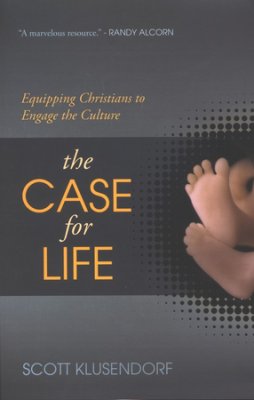
A Compelling Case For The Pro-Life Position
Book Review By Dr. David P. Craig
It’s hard to fathom that somewhere in the vicinity of 50 million babies have been legally killed since the historic Roe v. Wade decision made on January 22, 1973. In this book Scott Klusendorf brilliantly and graciously marshals a sound case for the pro-life position; namely, that the unborn are “distinct, living, and whole members of the human species regardless of size or location.”
In Section One Klusendorf clarifies the issue by honing in on the key issue in the debate that divides the pro-choice abortion and the pro-life position. The key issue is “What is the unborn?” He makes a strong case from the science of embryology and from philosophy that the unborn are indeed human and thus valuable and worthy of protection in the womb.
In Part two the author frames the abortion issue around whether or not life has meaning. Are we merely randomly evolved or are we endowed with value because we are God’s special creation. He makes a great case for the existence of God; the cogency of the Christian faith; and the purpose for which human beings are made to worship and bring glory to God.
Part Three gives a plethora of excellent and carefully articulated answers to six of the most used objections from the pro-abortion choice position. Each question is taken up by a whole chapter and in my opinion Klusendorf makes an extremely good case for the pro-life position in answer to each objection.
Part Four is extremely encouraging. All four chapters are full of hope for the days ahead. Filled with practical ways that pro-lifers can work together to bring about an eventual end to the travesty of legalized abortion.
Klusendorf has written a tour de force indeed. This book will encourage pro-lifers with tremendous evidence for their position. It is also encouraging because it seems that the tide is changing – just like it did with slavery earlier in our countries history. There are great resources in this book: review questions for group study; an appendix filled with training resources; and the way that the book is written – scholarly, yet non-technical; practical, and scientifically, theologically, and philosophically sound. Reading this book is like taking a graduate level course on the topic from a distinguished professor. I highly recommend this book and hope that it gains a wide audience and influences the convinced and non-convinced on this crucial issue.




 We have all seen situations—and many of us have caused situations—where we have been sloppy in going from the text to today. The young man who marches three times around a young woman and waits for her walls of romantic resistance to crumble is not properly understanding how to go from the text to today. Similarly, the muscleman who tears a phone book in half while quoting, “I can do all things through Christ who strengthens me,” is not properly accounting for the context of that verse.
 We will begin with the right side of the triangle. Let’s let the top corner represent our text—any text within the Bible. The bottom-right corner will represent today. You can see this in figure 2. What we are prone to do is to hurry our way from the text to today, just like that young man and that muscleman. We underestimate or under-appreciate our cultural and chronological distance from the text and are too quick to assume we know how to apply the text to our lives today. We sometimes get it right, but often we do not. Every Christian acknowledges this as a potential problem and different traditions attempt to deal with it in different ways.
 How can we go from the text to them/then? Broadly, through prayer, through meditation, and through study. We pray and ask the Holy Spirit to illumine the text so we rightly understand it; we meditate on the text, expecting that God will reward this deep contemplation with greater understanding; we study the text through cross-references, word studies, sentence diagraming, commentaries and other resources. We do all of this to understand what the text meant to the original recipients.
 In his book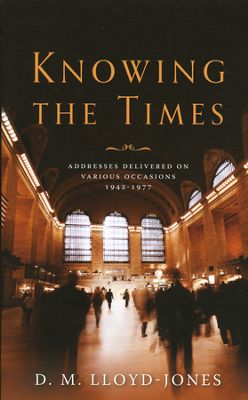
 LifeCoach4God