Humorous Claims on Auto Accident Insurance Forms

Series: Friday Humor #12

The average insurance agent’s workday can be pretty mundane–except when he gets to read claim forms like these from actual auto accidents.

  • The pedestrian had no idea which way to go, so I ran over him.
  • I had been driving my car for 40 years when I fell asleep at the wheel and had an accident.
  • I was on the way to the doctor’s with rear-end trouble when my universal joint gave way, causing me to have an accident.
  • An invisible car came out of nowhere, struck my vehicle and vanished.

Texting your insurance agent accident

The Jesus Focus in 2 Corinthians

Reading The Bible Through The Jesus Lens in the Book of 2 Corinthians

From Biblical Book to Biblical Hook

Chart adapted from *Dr. Michael Williams Book

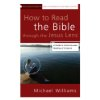
How To Read The Bible Through the Jesus Lens IMage

Title for 2 Corinthians

2 Corinthians: Theme

2 Corinthians 2:17

“Self-Giving”

God directs Paul to explain and vindicate his apostolic authority while encouraging the generosity of the Corinthian church.

“Unlike so many, we do not peddle the word of God for profit. On the contrary, in Christ we speak before God with sincerity, as those sent from God.”

Christ-Focus in 2 Corinthians

Implications from 2 Corinthians

Hooks from 2 Corinthians

Jesus gave himself completely for the welfare of his people.


For you know the grace of our Lord Jesus Christ, that though he was rich, yet for your sake he became poor, so that you by his poverty might become rich. – 2 Corinthians 8:9

God will provide for our needs as we give ourselves to others.

The point is this: whoever sows sparingly will also reap sparingly, and whoever sows bountifully will also reap bountifully. Each one must give as he has decided in his heart, not reluctantly or under compulsion, for God loves a cheerful giver. And God is able to make all grace abound to you, so that having all sufficiency in all things at all times, you may abound in every good work. As it is written,

“He has distributed freely, he has given to the poor; his righteousness endures forever.”

He who supplies seed to the sower and bread for food will supply and multiply your seed for sowing and increase the harvest of your righteousness. You will be enriched in every way to be generous in every way, which through us will produce thanksgiving to God. – 2 Corinthians 9:6-11

Is it really better to give than receive?

Which would you rather do?

What if giving involves giving up comfort, safety, or even your life?

Why would anyone give like that?

Is it possible for you to give more than you already have received?

What have you already received from God?

 Michael James Williams image

*Michael James Williams in his own words: “After my conversion in the U. S. Navy (in a submarine beneath the North Atlantic!), I entered Columbia Bible College, where I received a B.A. (1985). This was followed by an M.A. in Religion at Westminster Theological Seminary (1987) and a Ph.D. in Biblical Studies at the University of Pennsylvania (1999). In 2000, I was ordained in the Christian Reformed Church, and since 1995 have been teaching at Calvin Theological Seminary. I have also taught courses at Westminster Theological Seminary, the University of Pennsylvania, and brief stints in Limuru, Kenya; Donetsk, Ukraine; and Warsaw, Poland. In addition to articles on Old Testament topics in various reference works and academic journals, and contributing to and editing “Mishneh Todah: Studies in Deuteronomy and Its Cultural Environment in Honor of Jeffrey H. Tigay” (2009); I have authored “Deception in Genesis: A Comprehensive Analysis of a Unique Biblical Phenomenon” (2001); “The Prophet and His Message: Reading Old Testament Prophecy Today” (2003); and, most recently, “How to Read the Bible through the Jesus Lens: A Guide to Christ-Focused Reading of Scripture” (2012). My amazing wife, Dawn, and I enjoy hiking and all things outdoors.”

God’s Grace Displayed in Every Book of the Bible by Dane Ortlund

The Grace of God in the Bible by Dr. Dane Ortlund

Crosses 3 in sunset image

There is always a danger of squeezing the Bible into a mold we bring to it rather than letting the Bible mold us. And, there could hardly be more diversity within the Protestant canon–diverse genres, historical settings, authors, literary levels, ages of history.

But while the Bible is not uniform, it is unified. The many books of the one Bible are not like the many pennies in the one jar. The pennies in the jar look the same, yet are disconnected; the books of the Bible (like the organs of a body) look different, yet are interconnected. As the past two generations’ recovery of biblical theology has shown time and again, certain motifs course through the Scripture from start to end, tying the whole thing together into a coherent tapestry–kingdom, temple, people of God, creation/new creation, and so on.

Yet underneath and undergirding all of these, it seems to me, is the motif of God’s grace, his favor and love to the undeserving. Don’t we see the grace of God in every book of the Bible? (NT books include the single verse that best crystallizes the point.)

Genesis shows God’s grace to a universally wicked world as he enters into relationship with a sinful family line (Abraham) and promises to bless the world through him.

Exodus shows God’s grace to his enslaved people in bringing them out of Egyptian bondage.

Leviticus shows God’s grace in providing his people with a sacrificial system to atone for their sins.

Numbers shows God’s grace in patiently sustaining his grumbling people in the wilderness and bringing them to the border of the promised land not because of them but in spite of them.

Deuteronomy shows God’s grace in giving the people the new land ‘not because of your righteousness’ (ch. 9).

Joshua shows God’s grace in giving Israel victory after victory in their conquest of the land with neither superior numbers nor superior obedience on Israel’s part.

Judges shows God’s grace in taking sinful, weak Israelites as leaders and using them to purge the land, time and again, of foreign incursion and idolatry.

Ruth shows God’s grace in incorporating a poverty-stricken, desolate, foreign woman into the line of Christ.

1 and 2 Samuel show God’s grace in establishing the throne (forever—2 Sam 7) of an adulterous murderer.

1 and 2 Kings show God’s grace in repeatedly prolonging the exacting of justice and judgment for kingly sin ‘for the sake of’ David. (And remember: by the ancient hermeneutical presupposition of corporate solidarity, by which the one stands for the many and the many for the one, the king represented the people; the people were in their king; as the king went, so went they.)

1 and 2 Chronicles show God’s grace by continually reassuring the returning exiles of God’s self-initiated promises to David and his sons.

Ezra shows God’s grace to Israel in working through the most powerful pagan ruler of the time (Cyrus) to bring his people back home to a rebuilt temple.

Nehemiah shows God’s grace in providing for the rebuilding of the walls of the city that represented the heart of God’s promises to his people.

Esther shows God’s grace in protecting his people from a Persian plot to eradicate them through a string of ‘fortuitous’ events.

Job shows God’s grace in vindicating the sufferer’s cry that his redeemer lives (19:25), who will put all things right in this world or the next.

Psalms shows God’s grace by reminding us of, and leading us in expressing, the hesed (relentless covenant love) God has for his people and the refuge that he is for them.

Proverbs shows us God’s grace by opening up to us a world of wisdom in leading a life of happy godliness.

Ecclesiastes shows God’s grace in its earthy reminder that the good things of life can never be pursued as the ultimate things of life and that it is God who in his mercy satisfies sinners (note 7:20; 8:11).

Song of Songs shows God’s grace and love for his bride by giving us a faint echo of it in the pleasures of faithful human sexuality.

Isaiah shows God’s grace by reassuring us of his presence with and restoration of contrite sinners.

Jeremiah shows God’s grace in promising a new and better covenant, one in which knowledge of God will be universally internalized.

Lamentations shows God’s grace in his unfailing faithfulness in the midst of sadness.

Ezekiel shows God’s grace in the divine heart surgery that cleansingly replaces stony hearts with fleshy ones.

Daniel shows God’s grace in its repeated miraculous preservation of his servants.

Hosea shows God’s grace in a real-live depiction of God’s unstoppable love toward his whoring wife.

Joel shows God’s grace in the promise to pour out his Spirit on all flesh.

Amos shows God’s grace in the Lord’s climactic promise of restoration in spite of rampant corruption.

Obadiah shows God’s grace by promising judgment on Edom, Israel’s oppressor, and restoration of Israel to the land in spite of current Babylonian captivity.

Jonah shows God’s grace toward both immoral Nineveh and moral Jonah, irreligious pagans and a religious prophet, both of whom need and both of whom receive the grace of God.

Micah shows God’s grace in the prophecy’s repeated wonder at God’s strange insistence on ‘pardoning iniquity and passing over transgression’ (7:18).

Nahum shows God’s grace in assuring Israel of good news’ and ‘peace,’ promising that the Assyrians have tormented them for the last time.

Habakkuk shows God’s grace that requires nothing but trusting faith amid insurmountable opposition, freeing us to rejoice in God even in desolation.

Zephaniah shows God’s grace in the Lord’s exultant singing over his recalcitrant yet beloved people.

Haggai shows God’s grace in promising a wayward people that the latter glory of God’s (temple-ing) presence with them will far surpass its former glory.

Zechariah shows God’s grace in the divine pledge to open up a fountain for God’s people to ‘cleanse them from sin and uncleanness’ (13:1).

Malachi shows God’s grace by declaring the Lord’s no-strings-attached love for his people.

Matthew shows God’s grace in fulfilling the Old Testament promises of a coming king. (5:17)

Mark shows God’s grace as this coming king suffers the fate of a common criminal to buy back sinners. (10:45)

Luke shows that God’s grace extends to all the people one would not expect: hookers, the poor, tax collectors, sinners, Gentiles (‘younger sons’). (19:10)

John shows God’s grace in becoming one of us, flesh and blood (1:14), and dying and rising again so that by believing we might have life in his name. (20:31)

Acts shows God’s grace flooding out to all the world–starting in Jerusalem, ending in Rome; starting with Peter, apostle to the Jews, ending with Paul, apostle to the Gentiles. (1:8)

Romans shows God’s grace in Christ to the ungodly (4:5) while they were still sinners (5:8) that washes over both Jew and Gentile.

1 Corinthians shows God’s grace in favoring what is lowly and foolish in the world. (1:27)

2 Corinthians shows God’s grace in channeling his power through weakness rather than strength. (12:9)

Galatians shows God’s grace in justifying both Jew and Gentile by Christ-directed faith rather than self-directed performance. (2:16)

Ephesians shows God’s grace in the divine resolution to unite us to his Son before time began. (1:4)

Philippians shows God’s grace in Christ’s humiliating death on an instrument of torture—for us. (2:8)

Colossians shows God’s grace in nailing to the cross the record of debt that stood against us. (2:14)

1 Thessalonians shows God’s grace in providing the hope-igniting guarantee that Christ will return again. (4:13)

2 Thessalonians shows God’s grace in choosing us before time, that we might withstand Christ’s greatest enemy. (2:13)

1 Timothy shows God’s grace in the radical mercy shown to ‘the chief of sinners.’ (1:15)

2 Timothy shows God’s grace to be that which began (1:9) and that which fuels (2:1) the Christian life.

Titus shows God’s grace in saving us by his own cleansing mercy when we were most mired in sinful passions. (3:5)

Philemon shows God’s grace in transcending socially hierarchical structures with the deeper bond of Christ-won Christian brotherhood. (v. 16)

Hebrews shows God’s grace in giving his Son to be both our sacrifice to atone for us once and for all as well as our high priest to intercede for us forever. (9:12)

James shows us God’s grace by giving to those who have been born again ‘of his own will’ (1:18) ‘wisdom from above’ for meaningful godly living. (3:17)

1 Peter shows God’s grace in securing for us an unfading, imperishable inheritance no matter what we suffer in this life. (1:4)

2 Peter shows God’s grace in guaranteeing the inevitability that one day all will be put right as the evil that has masqueraded as good will be unmasked at the coming Day of the Lord. (3:10)

1 John shows God’s grace in adopting us as his children. (3:1)

2 and 3 John show God’s grace in reminding specific individuals of ‘the truth that abides in us and will be with us forever.’ (2 Jn 2)

Jude shows God’s grace in the Christ who presents us blameless before God in a world rife with moral chaos. (v. 24)

Revelation shows God’s grace in preserving his people through cataclysmic suffering, a preservation founded on the shed blood of the lamb. (12:11)

Adapted from Dane Ortlund: http://dogmadoxa.blogspot.com/search?q=The+Grace+of+God+in+the+Bible September 25, 2010

About Dane Ortlund:

Dane Ortlund

Dane Ortlund serves as Bible Publishing Director at Crossway Books in Wheaton, Illinois. He is the author of A New Inner Relish: Christian Motivation in the Thought of Jonathan Edwards (Christian Focus, 2008) and Defiant Grace: The Surprising Message and Mission of Jesus (Evangelical, 2011). He is a graduate of Covenant Theological Seminary (M.Div., Th.M.) and Wheaton College (B.A., Ph.D.). Dane is married to his college sweetheart, Stacey, and they have three boys. He blogs at Strawberry-Rhubarb Theology.


The Preacher’s Bird – Good for a Laugh

Friday Humor #11: The Preacher’s Bird 

Two Love Birds

A pastor had a bird and all the bird ever said was “Let us pray.” One Sunday morning a visitor arrived at the church who was just converted. This visitor had a bird all the bird said was “Let us kiss.” Well the pastor decided that it would be a good idea if the unconverted bird was placed in the cage with the pastor’s bird so that the pastor’s bird could win the lost one over. After deciding on a time they put the two birds in one cage. The pastor’s bird said, “Let us pray”; the other bird said, “Let us kiss.” The pastor’s bird looked at the pastor and said, “Thank God my prayers have finally been answered!”

The Problem of Anxiety by Dr. Tim Keller

praying man on one knee image

Series: Modern Problems; Ancient Solutions

October 24, 1993, Manhattan, N.Y. Based on Psalm 27

“The Problem of Anxiety” by Tim Keller

We’ve been looking at the book of Psalms in the fall, and we’ve been trying to bring them to bear on what we’ve been calling “modern problems,” which, of course, if you can bring the Psalms (a 3,000-year-old book) to bear on them, they’re not that modern, but we always like to flatter ourselves that our problems are worse than anyone else’s. I mean, every age has always felt that way. So I’m pandering to our arrogance and suggesting we do have modern problems (yet which have solutions) that are very ancient. Now let me read to you Psalm 27 in its entirety.

The Lord is my light and my salvation—whom shall I fear? The Lord is the stronghold of my life—of whom shall I be afraid? When evil men advance against me to devour my flesh, when my enemies and my foes attack me, they will stumble and fall. Though an army besiege me, my heart will not fear; though war break out against me, even then will I be confident. One thing I ask of the Lord, this is what I seek: that I may dwell in the house of the Lord all the days of my life, to gaze upon the beauty of the Lord and to seek him in his temple.For in the day of trouble he will keep me safe in his dwelling;he will hide me in the shelter of his tabernacle and set me high upon a rock.Then my head will be exalted above the enemies who surround me; at his tabernacle will I sacrifice with shouts of joy; I will sing and make music to the Lord. Hear my voice when I call, O Lord; be merciful to me and answer me. My heart says of you, “Seek his face!” Your face, Lord, I will seek. Do not hide your face from me, do not turn your servant away in anger; you have been my helper. Do not reject me or forsake me, O God my Savior. 10 Though my father and mother forsake me, the Lord will receive me. 11 Teach me your way, O Lord; lead me in a straight path because of my oppressors. 12 Do not turn me over to the desire of my foes, for false witnesses rise up against me, breathing out violence. 13 I am still confident of this: I will see the goodness of the Lord in the land of the living. 14 Wait for the Lord; be strong and take heartand wait for the Lord.

That’s God’s Word

Now this psalm is all about fear, worry, anxiety, and how the Bible tells us to deal with it. Now when we look at the psalm, we’re going to see a very refreshing realism, even though it’s full of tremendous promises, because the realism is important. I was just reading an author, a man named Ernest Becker, who said, “I think that taking life seriously means something such as this: that whatever man does on this planet has to be done in the lived truth of the terror of creation, of the grotesque, of the rumble of panic underneath everything. Otherwise, it is false.”

He must have lived in New York. There’s always this rumble of panic. It’s really the subway, but you walk along and you feel this rumble of panic, and you say, “Why do I feel so disconcerted?” Then you realize you’re on Park Avenue, and there goes the subway. Ernest Becker is right, and here’s why.

So many of the articles and the books I survey (and I constantly do) … Whenever I see a book in a store or an article in a newspaper or a magazine saying, “How to Overcome Worry” or “How to Overcome Anxiety,” almost always what they essentially say is, “The things you’re worried about may never happen. What a waste of time it is to be worrying about things that may never happen. Instead, visualize a future that is satisfying and focus on that. Visualize that future. Focus on that. Don’t sit around and visualize all the things that could go wrong.”

Is that the way David does it? No. You know, for example, in verse 10, he says, “Though my father and mother forsake me …” Now there is no indication David’s mother and father had actually forsaken him. It says, “Though an entire army was encamped against me …” He doesn’t say, “It has encamped against me …” It says, “Even if it did …” What is David doing? He is doing the opposite of what the articles say. He is actually imagining the worst things that can happen. He is visualizing the worst things that can happen. Why? Because he wants to have a strategy of life, a strategy of dealing with fears and anxieties, that can stand up to anything.

He doesn’t listen to the advice that says, “Maybe none of these things will ever happen, so don’t think about them.” Oh no. As Ernest Becker says, any attitude toward life that minimizes the evil and terror of things is phony. Well, he would have been very happy with Psalm 27. David goes so far as to imagine the worst. The fierce realism of the Bible is seen right here. The Bible says you can have a way of dealing with anger and with anxiety and fear that assumes the worst things may and can happen, that your father and mother forsake you, that an army encamps against you. Think about it! Go ahead. It doesn’t matter, because you can use this on anything.

So what is that strategy? I’ll tell you, whatever it was, we ought to look at it because David had literal enemies, and they had real weapons. They were people who were literally after their lives. Most of you, that’s probably not true. Therefore, if he was able to find a strategy that enabled him to deal with the fears of his life, don’t you think it ought to work for most of us? So let’s see what he says this great strategy is. Actually, it’s all in verse 4.

In verse 3, he says, “I have so much freedom from anxiety and fear that I have enough left over that if an army came up, I’d be okay. I’d be able to handle it.” That’s what he says in verse 3. Then in verse 4 he tells us the secret. There are three verbs: to dwell, to gaze, and to seek. Those are the three. So let’s take a look. How can you have a strategy that will enable you to face any of the anxieties, the stresses of life? I don’t know how you’re doing right now with this, but I know you can improve. Take a look.

1. Dwelling

In verse 4, he says, “One thing I ask of the Lord … that I may dwell in the house of the Lord …” Now what does that mean? What does it mean to dwell in the house of the Lord? Now one of the things you have to think about is David is not thinking so much about a physical spot. First of all, he couldn’t dwell in the house of the Lord literally. You can’t live in a temple. He wasn’t asking for that. Only the Levites could live in there, and nobody could live right there in the Holy of Holies.

What he is actually asking for is to experience the unbroken presence of God, because the thing he is really after is the face of God. The face! “I want to gaze on your beauty. I want to be in your presence.” The house of God or the temple of God was the place where God’s paniym (which is the Hebrew word for face, his presence) dwelt. What David says is, “I want to be always in your presence.” What’s that mean?

Now people always ask this question at this point: “What does that mean? I thought God was present everywhere!” The answer is always best given through an illustration … something like this. You know, Tammy (who was playing the piano) and Steve (on the flute and the sax), you are in their presence, aren’t you? I mean, you’ve already heard them playing. You’re in their presence. Of course. You’ve listened to them and you’re in their presence, and yet nobody can say (yet) that you have met them unless after the service you walk on up and you come up face to face.

Because, you see, your face is the relational gate into your heart. From far away, you can’t have a relationship. You actually have to come up face to face. When you come up to somebody, you can’t look at their kneecap or their shoulder. You have to look in their face if you want to have a personal transaction, a personal interaction, because the face is the place where I see and hear you and the face is the place where you see and hear me. So you have to come face to face.

Now why am I saying that? Last week we said Psalm 19 says the heavens are telling of the glory of God. Psalm 19 says when you go out and see the stars, are you in God’s presence? Sure! The Bible insists you can’t know God personally through nature. It insists on it. Now we looked at that last week in some detail, but let me just put it out again this way. When you come into the presence of a pianist and you listen to her play, as great as it is to be in her presence, you haven’t had a friendship with her by that. You have to come up face to face.

If you want to have a friendship with Henry Ford, you don’t do it by putting your head under a Model T and saying, “Henry? Are you in there, Henry?” To be in the presence of the handiwork, to be in the general presence of someone, is not the same thing as to have a personal relationship. The Bible says, therefore, what David is after here is, “I don’t want to know you distantly. I don’t want to obey you in a general way. I don’t want to have a kind of general inspirational belief in you. I want to know you personally and intimately. That’s what I want.”

That’s the whole secret to a fearless life. Now why? Why? Why does verse 4 answer and explain verse 3? Why would verse 4 be the answer to fear? Here it is. When David says, “The one thing I want is to dwell in your house and gaze on your beauty and seek you in your temple,” that’s the secret right there. Let me put it this way, and then we’ll unpack it. What David is saying is, “My fears are directly proportional to the vulnerability of the things that are my greatest joys. If the thing that is my greatest joy is God, I will live without fear. If my one thing … the thing I most want … is God, I am safe.”

You see, when David says, “I’ll be safe in your dwelling place …” You see it in verse 5. He says, “I’ll be safe in the tabernacle, the tent of God.” David is not thinking physically. He isn’t! He is not so stupid as to think that these people who are after him with their real knives and their real swords, if he runs into the tabernacle, somehow if they come in after him in an Indiana Jones style kind of scene, the ark of the covenant will zap all the bad guys. That’s not what he is thinking.

What he is saying is, “I’m only safe not when I’m physically inside the dwelling of the tabernacle or the temple. I’m only safe when you are the one thing I want most of all. Then I’m safe. Then I’m fearless.” Let me show you how that works. There’s a man over at Drew University named Thomas Oden. He is a great theological teacher, and he is an expert on the early church writers. It’s call patristics, meaning the church fathers. I was reading some of his work on Saint Augustine. Saint Augustine had an amazingly relevant (especially for us today looking at Psalm 27) and intriguing way to understand anxiety.

Augustine said, “Here’s where anxiety comes from. All of us have good things in our lives, and we love them, and we desire them. Good things! Parents and children are good things. A career is a good thing. Romance is a good thing. Sex is a good thing. All sorts of things are good things. We have lots of good things in our lives.” But Augustine says, “When something which is finite becomes …”

In other words, when the good things become the “one thing” we think we have to have in order to be happy, when the good things become the “one thing,” we gaze on them. We seek them. We gaze on their beauty. We adore them, and we believe we cannot receive life joyfully unless we have it. So when good things become “one things,” when good desires become inordinate desires, disproportional-to-their-being desires, Augustine says that’s when anxiety comes.

Why? Because anxiety is like the smoke, and you can follow the smoke down to the fire. The fire is this. Anxiety is always the result of the implosion or the collapse of a false god. “When good things become ‘one things,’ you see, when things that are good to have become things you have to have, when they become the central values of your life, that’s where anxiety comes from,” says Augustine, “because anxiety is always a sign of the collapse of a false god.”

Now let me tell you one of the reasons we squirm with this and one of the reasons some of you may squirm. Some of you may be eaten up with worry and anxiety right now, and you think this is unfair, because you’re worried about a person, or you’re worried about how you’re going to feed your family because of the finances. You’re worried about a lot of things, and they’re good things. See, this is what’s so hard. The things that turn into little idols in our lives are always good things. They were created by God. They’re wonderful. That’s the reason they can slip into the center.

Let me put it this way. A little anxiety is always a very good thing. Remember, there is a place where Paul says, “I have on me the daily anxiety of all the churches.” So a little anxiety shows you’re a caring person, but debilitating anxiety and devastating anxiety shows good things have become “one things.” Now you’re gazing on their beauty and you’re seeking them above all. You think, “Unless I have that, I cannot be happy.” That is what creates debilitating anxiety and fear.

So do you see what David is saying is, “If you’re my ‘one thing,’ if you’re the one thing I require, the one thing I ask for … to gaze on your beauty, to seek you in the temple … I’m fearless?” Because, see, anything but God and his will is subject to the vicissitudes of time and life. Anything but God and his will is vulnerable. Nothing can take God away from you. Nothing can take that away from you. Now you’re fearless. But anything else you set your heart on like this can be taken away. When there’s a threat to it, you go to pieces.

Now David gives us a great example of this. Let’s just use one example. “Though my father and mother forsake me, the Lord will receive me.” Now is there anything wrong with the love between parents and children? Of course not! God invented love between parents and children. God commands love between parents and children. Therefore, for you to want, for example, the love of your parents is something good. For you to want it very deeply is something good. Not only is it something very good; it’s something inevitable that you want it.

Yet what happens if your mother and father forsake you, which of course happens, does it not? What happens? There are people who I’ve talked to, who you’ve talked to (and maybe some of you are), who say, “My mother and father have forsaken me, and I will not be consoled. I will not! I will never forget what they did. I will never forget what they failed to do. I will never be okay. I will always feel worthless. I will always be unhappy!” You just refuse to be consoled. What is that? A good thing (parent love) has become the “one thing,” and you’re gazing at its beauty, and you’re longing for it, and you’re seeking after it. You’re worshiping it in the temple.

As a result, you will be anxious and fearful all of your life. Don’t you see? “If my father and mother forsake me, if my spouse forsakes me, if my career forsakes me, if romance forsakes me, if my looks forsake me, the Lord will receive me. The Lord will receive me!” Unless you get that into your blood, unless you understand the reason we get anxious is because good things become “one things,” and they slide into the center, unless we actually are …

You know, Augustine said anxiety is a very, very helpful thing. It tells you a lot about yourself, because you can always follow your worries to those things which enslave you. You can always follow your worries. Anxiety is always the result of the collapse of a false god, the implosion. Do you understand that? Unless you’re able to get this into your blood you’re going to live a fearful life.

So the question then is … How do we make sure God becomes our “one thing?” How do we do that? I would say the text is actually telling us two ways. The two ways are right there in verse 4. You see, when David says, “There’s only one thing I want,” and then he says, “… to dwell, to gaze, and to seek,” now wait a minute; that’s three things. So what does he mean? He has to mean dwelling and gazing and seeking are basically all the “one thing.” In fact, I think seeking and gazing are actually two ways we dwell in the house. I think seeking and gazing is just a kind of breakdown of what it means to dwell in God’s house.

Do you want to live in his presence? Do you want him to be the “one thing?” Do you want that so you can live a fearless life? The question is … How? You have to gaze on his beauty, and you have to seek him in his temple. Now the reason I think that’s true, by the way, that these two things are the ways in which you dwell in the house (gazing on his beauty and seeking him in the temple) is because the rest of the psalm breaks into two parts.

Starting in verse 8, he says, “Show me your face.” Verses 8 through 10: “Show me your face.” Then verses 11–14 are, “Teach me your way.” Those are the same two things! “Show me your face” is the same thing as gazing on his beauty. “Teach me your way” is the same thing as seeking him. Let me show you these two things. These are the two things you have to do in order to make him your “one thing.”

2. Gazing

First of all, you have to gaze on his beauty. Now if you don’t mind, I’ll just tip my hat to those of you who were here at the end of August because I gave a sermon once on this at the end of August in the evening. When David says, “I’ve come to the temple to gaze on your beauty,” do we think it means a literal vision, something he saw with his physical eyes? I doubt it. Well, I’m not saying David, being a prophet and being a great king and so on, could never have had a vision, but I doubt very much that’s what he is talking about. There’s no indication it means every time he goes in he gets a vision. Oh no!

What does it mean to gaze on his beauty? This is what we’ve called communion with God. This is the difference between knowing about God and knowing God. This is the difference between knowing he is holy and loving and experiencing his holiness and his love. Let me go back to Saint Augustine. Some of you might remember this from two months ago, the sermon in the evening.

Saint Augustine was a great African theologian of the church. He lived in the fourth and fifth century AD. Augustine actually lays out in one of his sets of writings what it really means to actually see God. He says there are three parts: retentio, contemplatio, and dilectio? Remember? Retentio, he says, is finding a truth, getting it out of the Bible. Retentio is the word for retain. You retain it. You distill the truth, and you say, “There it is.” You see it, and you learn it, and you know it.

Augustine stays, “Ah, but you don’t stop there. Oh no! You mustn’t stop there. Once you get that truth, you see God is holy, you see God is wise, you don’t just close your book. You don’t close your notebook and say, ‘Ah, now I know that! I know another attribute of God. I know it!’ Oh no! Now, secondly, you move from retenetio to contemplatio, which means you contemplate or you look at God through the truth. You gaze at God through the truth.”

That means you start to ask yourself questions. “What does this verse tell me about God? What does it show me about God? What does it show me about how marvelous he is, how holy he is, how loving he is? Do I really understand he is holy? Do I really understand it? Am I living it out? What false attitudes and false emotions come when I forget this?” What Augustine means is this is a discipline of the mind in which you’re reaching out and you’re actually saying, “I want to see you.” You stretch every nerve to not see him with the eyes of your eyes but to see him, as Paul says in Ephesians, with the eyes of your heart. You stretch out.

Because we have the Holy Spirit, sometimes to some degree or another, we move to the third of the three phases: dilectio, which means to delight in him. Sometimes we find if we really spend the time seeking to see him, to gaze on his beauty, ideas about him get very real. Ideas about his holiness or his love begin to comfort us, begin to disturb us, begin to thrill us. Now don’t look at me like, “What is all this?” Don’t you remember what Augustine said? Everybody does this with everything but God. We all gaze at the beauty of these good things that have become “one things.”

You know what it means to gaze on the beauty of something. You turn it over in your imagination, the thing you want. It may be a career. It may be a house at the beach. It may be a particular person, and you think what life will be like if you get it. You gaze on the beauty of it. See? You fill your mind with it. You taste it. You rest in it. We do it with everything else but God. Now do it with him! That’s the only way to make the real one thing the “one thing.” Gaze on his beauty. Do you know how to do that? Do you take time to do that? David says unless you do that, you’ll not be dwelling in his house and you’ll have a fearful life.

3. Seeking

He doesn’t just say, “I want to gaze on your beauty,” but, “I want to seek him.” Now the word seek is a very, very specific Hebrew word. It actually means to go and get counsel. So what it means is, “When I come to you, I am trying to find out what your will is, Oh Lord.” He wants to obey. He wants to find out God’s will, and he wants to submit to it.

Boy, this is extremely important. These are the two parts of what it really means to be a Christian. These are the two parts of true religion: gazing on the beauty and seeking God’s will. If you only seek God’s will to obey, to find out what he teaches and disobey it day in and day out, if that’s all you do without gazing on the beauty, it will be all phariseeism and legalism. On the other hand, if you just try to gaze on his beauty, just have this great experience, but you don’t want to find out his will and do daily obedience, well, it won’t work either, and I’ll show you why.

Just think of marriage. A good marriage is a wonderful thing because you can fall in each other’s arms every so often. You see, you gaze on each other’s beauty. You have intimate fellowship, but you can’t walk around all the time in each other’s arms. There’s a life to live. You have to go to work and so on.

Let me tell you what 95 percent of what marriage is: finding out how to serve the other person and how to do for them. Because if you want to experience the other person’s love and yet the other person says, “Hey, would you do this and this and this for me?” and you say, “Oh no. That’s too inconvenient. I don’t like to do that,” if you live like a selfish person, if you don’t learn what the other person’s wishes are, if you don’t serve that other person in the little things day in and day out, it will be the end of intimacy.

Don’t you see? You can’t just live selfishly. You can’t just walk around and do anything you want, not trying to find out how to serve that person, not making sacrifices for that person, not obeying the needs and the wishes of that person and then expect to just jump in bed and have a wonderful, wonderful time of gazing on her beauty or his beauty. If you think that’s going to work, it doesn’t! It never works!

A human being is not a computer. There’s not an entrance sequence that you just poke in and then you get everything you want. In a relationship if you want intimacy, if you want to gaze on the beauty of the other person, if you want to commune with that person in love, you also have to find out that person’s will and do it. That’s just the way it works! What does that mean? I’ll tell you what this means.

A lot of people have wanted desperately to gaze on God’s beauty and get these experiences I’m talking about. You know, I was reading the other day. Here’s a guy who wrote a friend near the end of his life. There was a minister who prayed every day but began to really get a breakthrough, began to gaze on God’s beauty. Almost every week he began to just have these breakthroughs.

He wrote a friend, and he said, “Almost every week, a measure of his great love comes down upon my heart. He has unlocked every compartment of my being and filled and flooded them all with the light of his radiant presence. The inner spot has been touched, and the flintiness of my heart has been melted in the presence of love divine, all love’s excelling.”

What is that? He is in the temple. He is dwelling in the house of the Lord. He is gazing on the beauty, and all of his fears are going. Somebody says, “Ah! I want that so much.” A lot of us go to church just seeking that. A lot of us try to find church that will give us this great sense of highness, that we’ve touched God during the worship services. That’s good. That’s fine, but I’ll tell you this. To gaze on his beauty without seeking his will will never work. You want to gaze on his beauty? There’s a way to do that.

Do you remember blind Bartimaeus? He knew Jesus was going to come by on a certain road, so he pitched his tent there. He just cried out, “Lord, have mercy on me!” Do you want to experience the beauty of God? Do you want to gaze on his beauty? Do you want to have the sense of love these great people I always am reading from their journals have? Do you want that? Of course you want that. Well, how do you get it? You don’t get it by running around trying to get it. You pitch your tent on the road Jesus inevitably will come down, and that road is the road of obedience, seeking him.

There are disciplines to seeking his will. You read the Bible. You pray. You meditate. You take the sacraments at church. Those are the inner disciplines. Then you have the outer disciplines. Be simple in your lifestyle instead of materialistic. Be chaste in your lifestyle instead of impure. Be forgiving in your lifestyle instead of bitter. Have a servant heart instead of an ambitious and selfish heart. These are disciplines. Obey, seek him, and you’ll gaze on his beauty. Otherwise, no.

Okay, you want to dwell in his house? There’s the discipline of gazing on his beauty, and there’s the discipline of seeking his will. Now let me close this way. Some of you are probably finding this a pretty odd thing (gazing on God’s beauty), and you’re thinking, “Well, that’s great. I’d love to have an experience like that. How do I do it?” Here’s how you do it. You have to seek him in his temple. You have to gaze on his beauty in his temple.

Ah, but what is his temple? It says in John 2, Jesus Christ looked at the temple, and he said to the religious leaders, “Tear this temple down, and I will build it up again in three days.” They all looked at him and said, “You’re crazy! It took 40 years to build this temple. You’re going to build it up in three days?” The text tells us he was referring to himself. Jesus is the temple. Now let me explain what I mean.

David gazed at the beauty of God. Now remember we said Augustine says the way you gaze on God is you take certain truths and you look at God through the truths. You look at God through them. So when we’re told David gazed on the beauty of God at the temple, what did that mean? We said he probably didn’t have a vision. It means he went and he watched the temple ritual, and he saw the beauty of God through it. How did that happen?

Well, like this. You know what happened in the temple ritual? Animals were constantly getting slaughtered on the block and sacrificed up to God. David saw the beauty of the Lord, he gazed on the beauty of the Lord, through the sacrifices. How could that happen? Well, when he saw the animals being slain, he saw the beauty of God’s justice and holiness. He said, “Here is a God who requires sin be paid for. Here is a God who is so good and so holy, he cannot count men’s sin. Here’s a God who can’t overlook it. Here’s a God who must deal with evil. What a good God. What a just God. What a holy God.”

On the other hand, when he looked at the sacrifices, he also saw a merciful God. “Here’s a God who wants to deal with our sins so we can still approach him. Here’s a God who wants to forgive us our sins. Here’s a God who wants to find us a way to himself.” Now here’s the point. If David was able to gaze at the beauty of God through the tabernacle and the temple worship, how much more of the beauty of God will we see if we gaze at God through the face of Jesus?

You see, when we look at God today, we don’t have to look at him through a bull being slaughtered on the block. We see the face of a human being, the most loving human being ever, dying for us, suffocating on the cross, his ribs snapping as he suffocates, the blood and the sweat flowing down on his face, looking at us and saying, “You don’t know what you’re doing. I’ve been forsaken for you.”

Now let me tell you something. If David saw so much of the beauty of God in the temple, so much of the beauty of God that it turned him into a great heart so that he could handle an army, how much more of the beauty of God do you think you and I can see if we do what Paul said? What did Paul say? He says, “We are beholding with unveiled faces the light of the glory of God in the face of Jesus Christ.”

That’s what we look at. Gaze on him. Look at him. Look at what he is doing. Look at him dying for you. Gaze on the beauty of God. If the beauty David saw could turn him into someone who could handle an army, what do you think it’s going to turn you into? How much more of the beauty of God can we see? How much more are we going to be able to look at God and say, “You’re my ‘one thing.’ I see your beauty. It fills me up so I’m afraid of nothing anymore. I have the only thing I need?”

This is what it means to seek him. You have to seek the Father. You have to gaze at his beauty through Jesus. It says in John 1:12, “But as many as received him, to them gave he power to become the sons of God …” So if you want him, if you want all the things we’re talking about, it’s not an abstract thing. It’s not a technique. You have to go to God through Jesus. That’s how you gaze on his beauty.

Now, Christian friends, just think about this. There are a number of you who are saying, “Okay, this is very interesting. In fact, this is very moving. This is very powerful, but I’m scared right now about something that’s going to happen on Thursday. That’s four days away. What do I do till then?”

Listen. It’s true the Bible gives you this tremendous solution to anxiety. It says learn to gaze on his beauty and seek him in his temple. Eventually you develop a habit of the heart. You develop a whole orientation toward God. Of course that’s not something that happens really quickly. So the fact of the matter is I can’t give you something that really quickly will overcome all of your anxiety between now and Thursday. The books in the bookstores do. The magazines in the grocery store do.

They give you those little behavior modification grids, and they give you these little rational motive techniques on thought control. They teach you how to turn away from the negative thoughts and put on the positive thoughts. Let me tell you something. The Bible is giving you an antidote to anxiety too, but it’s not a patch. It’s not a Band-Aid. It’s regeneration. It’s a new heart, a new way of life, a new way of doing everything.

So I admit this is something that takes a long time to develop. This is not a quick fix, but you can start right now. You know, “A journey of a thousand miles begins with a single step,” right? You know that cliché? Okay, let’s use it. Do you know what the first step is? Today you can say, “One thing. Finally, Lord God, I’m going to make you the ‘one thing.’ One thing. I’m going to make you my highest priority.

I today determine that gazing on your beauty and seeking you, I can no longer let other things crowd it out of my schedule. I can no longer let other things crowd it out of my energy. I can no longer let other things crowd it out of my creativity. Today you’re the ‘one thing.’ Finally I ditch all other competition. I ditch all other competing concerns. I ditch everything else. I insist on this. I will make time for it. I will do it.” That’s the first step, so do it.

Last of all, let me just give you a quick read of something. In a minute we’re going to sing the hymn that goes, “We rest on Thee, our shield and our defender.” Do you remember several years ago we had a woman here named Betty Elliot who was a missionary? She told us her husband, Jim Elliot, 40 years ago or so now, and six other missionaries decided they were going to go into the jungles of Ecuador and make contact with a very primitive tribe they were going to try to meet, try to live with, try to learn their language, try to give them a written version of their language, bring in literacy and give them a copy of the Bible in their own language.

They were going to do literacy work and Bible translation. They knew it was dangerous, so the night before they were to contact these Indians, they sat around a table, and they sang this hymn together.

We rest on Thee,

Our shield and our defender!

We go not forth alone against the foe;

Strong in Thy strength,

Safe in Thy keeping tender

We rest on Thee,

And in Thy name we go.

Strong in Thy strength,

Safe in Thy keeping tender,

We rest on Thee,

And in Thy name we go.

The next day they were all speared to death by the Indians. Do you remember that story? Elisabeth Elliot, a friend of ours, will say that’s interesting. “We rest on Thee,” they sang. “Strong in Thy strength and safe in Thy keeping.” The next day they were speared. So does it not work? “Of course it works,” she said. They also sang,

Jesus our righteousness,

Our sure foundation,

Our Prince of glory,

And our King of love.

You see, if the one thing that’s non-negotiable in your life, if the one thing you really want, if the one thing you really need, if the one thing is to gaze on the beauty of God, you’re absolutely safe, because the worst thing that could happen to you is a spear gets thrown through your heart (which is exactly what happened), in which case you gaze on the beauty of the Lord in a way you never have before.

Or there was an English missionary named Allen Gardiner. In 1851 he was on his way to South America to start a new mission, and he was shipwrecked on a very remote island. He and his companions tried their very best to stay alive until somebody came to find them, but nobody did. Finally he died, far away from everybody, far away from his loved ones, far away from his family, dying of thirst, dying of hunger. A horrible, horrible way to go.

When they finally discovered his body they found right next to his body was his quiet time notebook, his journal. They opened it up, and they saw on the very last page, he had written out Psalm 34:10. This is what it says: “The young lions do lack, and suffer hunger: but they that seek the Lord shall not want any good thing.” Right underneath it, the last words he penned were, “I am overwhelmed with a sense of the goodness of God.”

Huh? What do you mean, “I am overwhelmed with a sense of the goodness of God?” Why wasn’t he mad? Why wasn’t he angry? Why wasn’t he scared? Because he had the “one thing,” and there was nothing to be afraid of. Don’t you see it’s your only hope? Come and get it. Dwell. Gaze. Seek. Let’s pray.

Father, now we pray everybody in this room might be enabled to say, “The one thing I want is to dwell in your house and gaze on your beauty and seek you in your temple.” Father, for some of us, that’s going to mean actually to get ourselves converted to say that. For a lot of the rest of us, it means we’re going to have to reshuffle our priorities around and realize we’re living like pagans. Many, many good things have become our “one things,” and we’re being just jerked around by them. I pray today you will enable, by the power of your Spirit, to let everybody in this room say, “One thing I ask. One thing only will I seek.” We pray this in Jesus’ name, amen.[1]

 About the Author

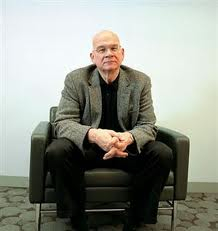
Tim Keller seated image

Timothy Keller is founding pastor of Redeemer Presbyterian Church (PCA) in New York City and the author of numerous books, including The Reason for GodKing’s CrossCounterfeit GodsThe Prodigal God, and Generous Justice.


[1] Keller, T. J. (2013). The Timothy Keller Sermon Archive. New York City: Redeemer Presbyterian Church.

The Goodness of God and the Reality of Evil by Dr. Albert Mohler

lightning striking 7 times

Every thoughtful person must deal with the problem of evil. Evil acts and tragic events come to us all in this vale of tears known as human life. The problem of evil and suffering is undoubtedly the greatest theological challenge we face.

Most persons face this issue only in a time of crisis. A senseless accident, a wasting disease, or an awful crime demands some explanation. Yesterday, evil showed its face again as a giant tornado brought death and destruction to Moore, Oklahoma.

For the atheist, this is no great problem. Life is a cosmic accident, morality is an arbitrary game by which we order our lives, and meaning is non-existent. As Oxford University’s Professor Richard Dawkins explains, human life is nothing more than a way for selfish genes to multiply and reproduce. There is no meaning or dignity to humanity.

For the Christian Scientist, the material world and the experience of suffering and death are illusory. In other religions suffering is part of a great circle of life or recurring incarnations of spirit.

Some Christians simply explain suffering as the consequence of sins, known or unknown. Some suffering can be directly traced to sin. What we sow, so shall we reap, and multiple millions of persons can testify to this reality. Some persons suffer innocently by the sinful acts of others.

But Jesus rejected this as a blanket explanation for suffering, instructing His disciples in John 9 and Luke 13 that they could not always trace suffering back to sin. We should note that the problem of evil and suffering, the theological issue of theodicy, is customarily divided into evil of two kinds, moral and natural. Both are included in these passages. In Luke 13, the murder of the Galileans is clearly moral evil, a premeditated crime–just like the terrorist acts in New York and Washington. In John 9, a man is blind from birth, and Jesus tells the Twelve that this blindness cannot be traced back to this man’s sin, or that of his parents.

Natural evil comes without a moral agent. A tower falls, an earthquake shakes, a tornado destroys, a hurricane ravages, a spider bites, a disease debilitates and kills. The world is filled with wonders mixed with dangers. Gravity can save you or gravity can kill you. When a tower falls, it kills.

People all over the world are demanding an answer to the question of evil. It comes only to those who claim that God is mighty and that God is good. How could a good God allow these things to happen? How can a God of love allow killers to kill, terrorists to terrorize, and the wicked to escape without a trace?

No superficial answer will do. Our quandary is well known, and the atheists think they have our number. As a character in Archibald MacLeish’s play, J.B. asserts, “If God is God He is not good, if God is good He is not God; take the even, take the odd . . . .” As he sees it, God can be good, or He can be powerful, but He cannot be both.

We will either take our stand with God’s self-revelation in the Bible, or we are left to invent a deity of our own imagination. The Bible quickly excludes two false understandings.

First, the Bible reveals that God is omnipotent and omniscient. These are unconditional and categorical attributes. The sovereignty of God is the bedrock affirmation of biblical theism. The Creator rules over all creation. Not even a sparrow falls without His knowledge. He knows the number of hairs upon our heads. God rules and reigns over all nations and principalities. Not one atom or molecule of the universe is outside His active rule.

The sovereignty of God was affirmed by King Nebuchadnezzar, who confessed that God “does according to His will in the host of heaven and among the inhabitants of the earth; and no one can ward off His hand or say to Him, ‘What have You done?’” [Daniel 4:36]. Process theologians have attempted to cut God’s power down to size, rendering the Creator as one power among others. The evangelical revisionists pushing open theism have attempted to cut God’s omniscience down to size, rendering Him as one mind among others.

Rabbi Harold Kushner argues that God is doing the best He can under the circumstances, but He lacks the power to either kill or cure. The openness theists argue that God is always ready with Plan B when Plan A fails. He is infinitely resourceful, they stress, just not really sovereign.

These are roads we dare not take, for the God of the Bible causes the rising and falling of nations and empires, and His rule is active and universal. Limited sovereignty is no sovereignty at all.

The second great error is to ascribe evil to God. But the Bible does not allow this argument. God is absolute righteousness, love, goodness, and justice. Most errors related to this issue occur because of our human tendency to impose an external standard–a human construction of goodness–upon God. But good does not so much define God as God defines good.

How then do we speak of God’s rule and reconcile this with the reality of evil? Between these two errors the Bible points us to the radical affirmation of God’s sovereignty as the ground of our salvation and the assurance of our own good. We cannot explain why God has allowed sin, but we understand that God’s glory is more perfectly demonstrated through the victory of Christ over sin. We cannot understand why God would allow sickness and suffering, but we must affirm that even these realities are rooted in sin and its cosmic effects.

How does God exercise His rule? Does He order all events by decree, or does He allow some evil acts by His mere permission? This much we know–we cannot speak of God’s decree in a way that would imply Him to be the author of evil, and we cannot fall back to speak of His mere permission, as if this allows a denial of His sovereignty and active will.

A venerable confession of faith states it rightly: “God from eternity, decrees or permits all things that come to pass, and perpetually upholds, directs, and governs all creatures and all events; yet so as not in any way to be the author or approver of sin nor to destroy the free will and responsibility of intelligent creatures.”

God is God, and God is good. As Paul affirms for the church, God’s sovereignty is the ground of our hope, the assurance of God’s justice as the last word, and God’s loving rule in the very events of our lives: “And we know that God causes all things to work together for good to those who love God, who are the called according to His purpose.” [Romans 8:28]

We dare not speak on God’s behalf to explain why He allowed these particular acts of evil to happen at this time to these persons and in this manner. Yet, at the same time, we dare not be silent when we should testify to the God of righteousness and love and justice who rules over all in omnipotence. Humility requires that we affirm all that the Bible teaches, and go no further. There is much we do not understand. As Charles Spurgeon explained, when we cannot trace God’s hand, we must simply trust His heart.

And so, we weep with those who weep, and we reach out with acts of care and compassion. We pray for those who are grieving and have experienced such loss. We cry for the children lost in this storm, even as we are so thankful for brave people who did their best to save lives as the winds raged. And, we pray: Even so, Lord come quickly.

Article originally appeared on August 20, 2005 and reposted again @ http://www.albertmohler.com/2013/05/21/the-goodness-of-god-and-the-reality-of-evil-4/

About Dr. Albert Mohler:

R Albert Mohler

Dr. R. Albert Mohler Jr. serves as president of The Southern Baptist Theological Seminary – the flagship school of the Southern Baptist Convention and one of the largest seminaries in the world.

Dr. Mohler has been recognized by such influential publications as Time and Christianity Today as a leader among American evangelicals. In fact, Time.com called him the “reigning intellectual of the evangelical movement in the U.S.”

In addition to his presidential duties, Dr. Mohler hosts two programs: “The Briefing,” a daily analysis of news and events from a Christian worldview; and “Thinking in Public,” a series of conversations with the day’s leading thinkers. He also writes a popular blog and a regular commentary on moral, cultural and theological issues. All of these can be accessed through Dr. Mohler’s website, http://www.AlbertMohler.com. Called “an articulate voice for conservative Christianity at large” by The Chicago Tribune, Dr. Mohler’s mission is to address contemporary issues from a consistent and explicit Christian worldview.

Widely sought as a columnist and commentator, Dr. Mohler has been quoted in the nation’s leading newspapers, including The New York Times, The Wall Street Journal, USA Today, The Washington Post, The Atlanta Journal/Constitution and The Dallas Morning News. He has also appeared on such national news programs as CNN’s “Larry King Live,” NBC’s “Today Show” and “Dateline NBC,” ABC’s “Good Morning America,” “The NewsHour with Jim Lehrer” on PBS, MSNBC’s “Scarborough Country” and Fox’s “The O’Reilly Factor.”

Dr. Mohler is a theologian and an ordained minister, having served as pastor and staff minister of several Southern Baptist churches. He came to the presidency of Southern Seminary from service as editor of The Christian Index, the oldest of the state papers serving the Southern Baptist Convention.

A native of Lakeland, Fla., Dr. Mohler was a Faculty Scholar at Florida Atlantic University before receiving his Bachelor of Arts degree from Samford University in Birmingham, Ala. He holds a master of divinity degree and the doctor of philosophy (in systematic and historical theology) from Southern Seminary. He has pursued additional study at the St. Meinrad School of Theology and has done research at University of Oxford (England).

Dr. Mohler also serves as the Joseph Emerson Brown Professor of Christian Theology at Southern Seminary. His writings have been published throughout the United States and Europe. In addition to contributing to a number of collected volumes, he is the author of several books, including Culture Shift: Engaging Current Issues with Timeless Truth (Multnomah); Desire & Deceit: The Real Cost of the New Sexual Tolerance (Multnomah); Atheism Remix: A Christian Confronts the New Atheists (Crossway); He Is Not Silent: Preaching in a Postmodern World (Moody); The Disappearance of God: Dangerous Beliefs in the New Spiritual Openness (Multnomah); and Words From the Fire: Hearing the Voice of God in the Ten Commandments (Moody). From 1985 to 1993, he served as associate editor of Preaching, a journal for evangelical preachers, and is currently editor-in-chief of The Southern Baptist Journal of Theology.

A leader within the Southern Baptist Convention, Dr. Mohler has served in several offices including a term as Chairman of the SBC Committee on Resolutions, which is responsible for the denomination’s official statements on moral and doctrinal issues. He also served on the seven-person Program and Structure Study Committee, which recommended the 1995 restructuring of the nation’s largest Protestant denomination. In 2000, Dr. Mohler served on a blue-ribbon panel that made recommendations to the Southern Baptist Convention for revisions to the Baptist Faith and Message, the statement of faith most widely held among Southern Baptists. Most recently, he served on the Great Commission Task Force, a denominational committee that studied the effectiveness of SBC efforts to fulfill the Great Commission. He currently serves as chairman of the Southern Baptist Convention’s Council of Seminary Presidents.

Dr. Mohler has presented lectures or addresses at institutions including Columbia University, the University of Virginia, Wheaton College, Samford University, Trinity Evangelical Divinity School, the University of Richmond, Mercer University, Cedarville University, Beeson Divinity School, Reformed Theological Seminary, The Master’s Seminary, Geneva College, Biola University, Covenant Theological Seminary, The Cumberland School of Law, The Regent University School of Law, Grove City College, Vanderbilt University and the historic Chautauqua Institution, among many others.

Dr. Mohler is listed in Who’s Who in America and other biographical reference works and serves on the boards of several organizations including Focus on the Family. He is a member of the Council for Biblical Manhood and Womanhood and serves as a council member for The Gospel Coalition.

He is married to Mary, and they have two children, Katie and Christopher.

Tornadoes, Tsunamis, And The Mystery of Suffering and Sovereignty by Sam Storms

tornado 1

I’m inclined to think the best way to respond to the tragedy that struck our community today is simply to say nothing. I have little patience for those who feel the need to theologize about such events, as if anyone possessed sufficient wisdom to discern God’s purpose. On the other hand, people will inevitably ask questions and are looking for encouragement and comfort. So how best do we love and pastor those who have suffered so terribly?

I’m not certain I have the answer to that question, and I write the following with considerable hesitation. I can only pray that what I say is grounded in God’s Word and is received in the spirit in which it is intended.

I first put my thoughts together on this subject when the tsunami hit Japan a couple of years ago. Now, in the aftermath of the tornado that struck Moore and other areas surrounding Oklahoma City, I pray that those same truths will prove helpful to some. Allow me to make seven observations.

(1) It will not accomplish anything good to deny what Scripture so clearly asserts, that God is absolutely sovereign over all of nature. He can himself send devastation. Or he may permit Satan to wreak havoc in the earth. Yes he can, if he chooses, intervene and prevent a tornado, a tsunami, and all other natural disasters. In the end, we do not know why he makes one choice and not another. In the end, we must, like Job, join the apostle Paul and say: “Oh, the depth of the riches and wisdom and knowledge of God! How unsearchable are his judgments and how inscrutable his ways! For who has known the mind of the Lord, or who has been his counselor? Or who has given a gift to him that he might be repaid? For from him and through him and to him are all things. To him be glory forever. Amen” (Romans 11:33-36).

(2) God is sovereign, not Satan. Whether or to what extent Satan may have had a hand in what occurred we can never know. What we can know and must proclaim is that he can do nothing apart from God’s sovereign permission. Satan is not ultimately sovereign. God alone is.

(3) Great natural disasters such as this tell us nothing about the comparative sinfulness of those who are its victims. Please do not conclude that the residents of Moore, Oklahoma, are more sinful than any other city that has not as yet experienced such devastation. Please do not conclude that we are more righteous than they because God has thus far spared us from such events. The Bible simply won’t let us draw either conclusion. What the Bible does say is that we all continue to live and flourish not because we deserve it but solely because of the mercy and longsuffering of God. Life is on loan from God. He does not owe us existence and what he has mercifully given he can take back at any time and in any way he sees fit.

(4) Events such as this should remind us that no place on earth is safe and that we will all one day die (unless Jesus returns first). Whether by a peaceful natural death at the age of 90, or by a sudden heart attack at 50, or in a car accident at 15, or by a slow battle with cancer at virtually any age, we will all likewise die. We are not immortal. The only ultimately and eternally safe place to be is in the arms of our heavenly Father from which no tornado or earthquake or tsunami or cancer or car wreck can ever snatch us or wrench us free.

(5) We should not look upon such events and conclude that the Second Coming of Christ and the end of history are at hand, but neither should we conclude that the Second Coming of Christ and the end of history are not at hand. What we should do is humble ourselves before the Lord and prepare our hearts for the day of his return, whenever that may be, whether in our lifetime or some distant date centuries from now.

(6) We must learn to weep with those who weep. We must pray for them, serve them, help them, give to them, and do all within our power to alleviate their suffering (even if their suffering is caused by God). We do not have to agree with them religiously or politically to shower them with the love of Christ. Jesus calls upon us to show mercy to those who suffer, even if they do not deserve it. The fact is, none of us deserves it. That’s why the Bible calls it mercy: it is undeserved kindness. Remember Luke 6:27 where Jesus said, “Love your enemies, do good to those who hate you.”

(7) Pray that God will use such an event to open the hearts and eyes of a city and a state immersed in unbelief and idolatry (and I have in mind not merely Oklahoma, but also America as a whole), to see the gospel of the Lord Jesus Christ and turn in faith to him, lest something infinitely worse than a tornado befall them: Eternal condemnation. Eternal suffering.

Article from: http://www.samstorms.com/enjoying-god-blog/post/tornadoes–tsunamis–and-the-mystery-of-suffering-and-sovereignty – May 20, 2013

Who is Sam Storms?

Sam Storms

Sam was born February 6, 1951, in Shawnee, Oklahoma. Both of his parents, as well as his sister, Betty Jane, were Christians. Sam was raised in a Southern Baptist context and came to saving faith in Christ at the age of nine. When he turned ten, his family moved to Midland, Texas, where they lived for the next four years. In 1965, as Sam was entering his freshman year in high school, the Storms family moved to Duncan, Oklahoma, where Sam’s father became president of a local bank. Sam graduated from Duncan Senior High School in 1969, hoping for a career as a professional golfer. He attended the University of Oklahoma where he soon abandoned his plans to play golf (due to the combined factors of incompetence and a notoriously bad temper!).

Near the beginning of his sophomore year at OU, Sam met Ann Elizabeth Mount, to whom he proposed marriage on their first date! Sam and Ann were married on May 26th, 1972. They have two daughters, Melanie (born December 23, 1978) and Joanna (born October 3, 1984), as well as four grandchildren.

After graduation from OU in 1973, Sam entered Dallas Theological Seminary to study in preparation for the ministry. He graduated in 1977 with a Th.M. in Historical Theology. While at Dallas, Sam served as interim pastor of Dallas Independent Presbyterian Church (1974-1977). Upon graduation in 1977, he joined the pastoral staff at Believers Chapel in Dallas, a non-denominational bible church. Sam began his work on a Ph.D. in Intellectual History in 1978 and received his degree from the University of Texas at Dallas in 1984, having written his dissertation on the topic of “Jonathan Edwards and John Taylor on Human Nature: A Study of the Encounter between New England Puritanism and the Enlightenment.”

In August of 1985 Sam accepted a call to serve as Senior Pastor of Christ Community in Ardmore, Oklahoma, where he ministered for eight years. In 1993 he resigned his position in order to become President of Grace Training Center, the full-time bible school at Metro Christian Fellowship in Kansas City, Missouri, where Sam also served as Associate Pastor.

Although he never thought he would leave Kansas City, God had other plans, and in August of 2000 Sam accepted the offer to become an associate professor of theology at Wheaton College in Wheaton, Illinois. After four years on the faculty at Wheaton, Sam made the decision to resign in order that he might establish Enjoying God Ministries.

In 2008 Sam became Lead Pastor for Preaching and Vision at Bridgeway Church in Oklahoma City, Oklahoma. Sam serves on the Board of Desiring God, Bethlehem College & Seminary, and the Acts 29 Network.

Below is a more formal listing of Sam’s educational background, ministerial experience, and publications (both books and journal articles).

Educational Degrees:

  • B.A. in History, University of Oklahoma (1973).
  • Th.M. in Historical Theology, Dallas Theological Seminary (1977)

Thesis topic: “An Analysis of Jonathan Edwards on the Freedom of the Will”

  • Ph.D. in Intellectual History (minor in Aesthetics), University of Texas at Dallas (1984)

Dissertation topic: “Jonathan Edwards and John Taylor on Human Nature: A Study of the Encounter between New England Puritanism and the Enlightenment”

Honors and Awards:

  • Phi Eta Sigma – Freshman Men’s Honorary Society; University of Oklahoma (1969)
  • W. H. Griffith Thomas Scholarship Award – Dallas Seminary (1977; awarded to the student who maintained the highest academic record during the four year program)
  • Charles A. Nash Award in Historical Theology – Dallas Seminary (1977; awarded to the student who did the best work in historical theology for the year)
  • Rollin Thomas Chafer Award in Apologetics – Dallas Seminary (1977; awarded to the student who submitted the best paper in defense of the Christian faith)
  • Who’s Who in American Colleges and Universities (1977).

Teaching and Pastoral Background

2008 – present / Lead Pastor for Preaching and Vision, Bridgeway Church, Oklahoma City, OK

2004 – present / President of Enjoying God Ministries

2000 – 2004 / Visiting Associate Professor of Theology, Wheaton College, Wheaton, IL (Systematic Theology, Historical Theology)

1993 – 2000 / President and Instructor in Theological and Biblical Studies, Grace Training Center (Systematic Theology, Historical Theology [with a focus on history of doctrine, ancient, medieval, and especially Reformation history] NT [both survey and exegetical courses], OT [survey], Ethics, Spiritual Formation).

1993 – 2000 / Associate Pastor, Metro Christian Fellowship, Kansas City, MO.

1985-1993 / Senior Pastor, Christ Community Church, Ardmore, OK.

1977-1985 / Associate Pastor, Believers Chapel, Dallas, TX, and Instructor in Theological and Biblical Studies, Advanced Studies Center.

1974-1977 / Interim Pastor, Dallas Independent Presbyterian Church, Dallas, TX.

Published Writings

  • The Singing God (new edition from Passio, 2013)
  • The Beginner’s Guide to Spiritual Gifts (new and expanded edition from Regal, 2013)
  • Kingdom Come: The Amillennial Alternative (forthcoming from Christian Focus in May, 2013)
  • Tough Topics (Crossway, March, 2013)
  • For the Fame of God’s Name: Essays in Honor of John Piper (edited, together with Justin Taylor, Crossway, 2010).
  • A Sincere and Pure Devotion to Christ: 100 Daily Meditations on 2 Corinthians in 2 volumes(Crossway Publishers, 2010)
  • More Precious than Gold: 50 Daily Meditations on the Psalms (Crossway Publishers, 2009)
  • To the One Who Conquers: 50 Daily Meditations on the Seven Letters of Revelation 2-3(Crossway Publishers, 2008)
  • The Hope of Glory: 100 Daily Meditations on Colossians (Crossway Publishers, 2008)
  • Signs of the Spirit: An Interpretation of Jonathan Edwards’ ‘Religious Affections’ (Crossway Publishers, 2007)
  • Chosen for Life: The Case for Divine Election (Crossway Publishers, February 2007).
  • Convergence: Spiritual Journeys of a Charismatic Calvinist (Enjoying God Ministries, 2005).
  • One Thing: Developing a Passion for the Beauty of God (Christian Focus Publications, 2004)
  • Pleasures Evermore: The Life-Changing Power of Enjoying God (NavPress, 2000).
  • The Beginner’s Guide to Spiritual Gifts (Regal Books, 2002).
  • “Women in Ministry in the Vineyard, U.S.A.”, in The Journal for Biblical Manhood & Womanhood, Volume 12, Issue 2, Fall 2007, 20-25.
  • “Open Theism in the Hands of an Angry Puritan: Jonathan Edwards on Divine Foreknowledge,” in The Legacy of Jonathan Edwards, edited by D. G. Hart, Sean Michael Lucas, Stephen Nichols (Baker Book House, 2003).
  • “Is Imputation Unjust? Jonathan Edwards on the Problem of Original Sin” in Journal of Reformation & Revival, Volume 12, Number 3, Fall 2003.
  • “Prayer and the Power of Contrary Choice,” in Journal of Reformation & Revival, Volume 12, Number 2, Spring 2003, 53-67.
  • “Fettered but Free: Jonathan Edwards on Freedom of the Will,” in A God-Entranced Vision, edited by John Piper and Justin Taylor (Crossway Books, 2004).
  • The Singing God: Discover the Joy of Being Enjoyed by God (Creation House, 1998)
  • “A Third Wave View” in Are Miraculous Gifts for Today? Four Views; ed. by Wayne Grudem (Zondervan, 1996).
  • To Love Mercy: Becoming a Person of Compassion, Acceptance, & Forgiveness (NavPress, 1991).
  • Healing and Holiness: A Biblical Response to the Faith-Healing Phenomenon (Presbyterian & Reformed, 1990).
  • Reaching God’s Ear (Tyndale House, 1988).
  • Chosen for Life: An Introductory Guide to the Doctrine of Divine Election (Baker Book House, 1987).
  • Tragedy in Eden: Original Sin in the Theology of Jonathan Edwards (University Press of America, 1985).
  • The Grandeur of God: A Theological and Devotional Study of the Divine Attributes (Baker Book House, 1984).
  • “Prayer and Evangelism under God’s Sovereignty,” in The Grace of God, The Bondage of the Will: Biblical and Practical Perspectives on Calvinism, edited by Thomas R. Schreiner and Bruce A. Ware (Grand Rapids: Baker Book House, 1995), pp. 215-31 (recently reprinted in Still Sovereign: Contemporary Perspectives on Election, Foreknowledge, and Grace [Baker, 2000]).
  • “Defining the Elect: A Review Article,” Journal of the Evangelical Theological Society 27 (June 1984): 205-18.
  • “Jonathan Edwards on the Freedom of the Will,” Trinity Journal 3 (Fall 1982): 131-69.
  • Review of The Great Debate: Calvinism, Arminianism and Salvation, by Alan P. F. Sell (Baker), in Trinity Journal 4 (Spring 1983).
  • Review of The Worship of God, by Ralph P. Martin, in Journal of the Evangelical Theological Society 26 (December 1983): 458-59.
  • Review of Offense to Reason: A Theology of Sin, by Bernard Ramm, in Journal of the Evangelical Theological Society 30 (December 1987): 495-97.
  • “A Tribute to S. Lewis Johnson, Jr.” in Continuity and Discontinuity: Perspectives on the Relationship Between the Old and New Testaments, ed. by John Feinberg (Crossway Books, 1988), pp. 321-23.
  • Brief articles in Decision Magazine, Discipleship Journal.

How Long Would it Take to Reach The World for Christ?

C&C David Watson

If you were an outstanding gifted evangelist with an international reputation, and if, under God, you could win 1,000 persons for Christ every night of every year, how long would it take you to win the whole world for Christ?

Answer: Ignoring the population explosion over 10,000 years.

But if you are a true disciple of Christ, and if you are able under God to win just one person to Christ each year; and if you could then train that person to win one other person to Christ; and if you could then train that person to win one other person for Christ each year, how long would it take to win the world for Christ?

 Answer: just 32 years!

– David Watson, speaking of James Kennedy’s illustration


Humor is Part of Good Health

Woman laughing

And Sarah said, “God has made laughter for me; everyone who hears will laugh over me.” – Genesis 21:6

“These things I have spoken to you, that my joy may be in you, and that your joy may be full.”- John 15:11

The late Norman Cousins, formerly editor of Saturday Review, had so serious a disease in the 1960’s that doctors gave him only one in five hundred chances of surviving. That gaunt prediction notwithstanding, he beat the odds by rejecting hospital treatment and formulating his own plan. He took massive doses of vitamin C, watched Marx Brothers films and Candid Camera reruns, and read exhaustively from humor books. He found that laughter banished negative feelings and relieved his pain. Previously, pain led to tension and tension to more pain. He discovered that ten minutes of “genuine belly laughter” gave him at least two hours of pain-free sleep.

Gelotology—the science of humor—is in its infancy and cannot explain all the reasons laughter is so valuable to us. Perhaps it relieves pain by releasing endorphins, the body’s natural opiates, into the bloodstream. It certainly protects us from negative emotions and attitudes. It encourages us to develop self-enhancing behavior patterns.

While humor encouraged better health for Mr. Cousins, it was still a limited benefit. Christ offers an eternal benefit. He removes sin from our lives altogether, absolutely, completely, and forever. In Christ, God claims complete amnesia over the sins we have committed and confessed. For good reason. Jesus had the perfect sacrifice to offer: himself He had the place to offer it: the cross. He had a compelling reason to offer it: forgiveness. He had a place to take it once offered: into heaven. He had a purpose in taking it there: to represent us eternally before the throne of God.

Hurley, V. Speaker’s Sourcebook of New Illustrations (electronic ed.) (106–107). Dallas: Word Publishers, 2000.

9 Principles For Improving Your Preaching by Justin Anderson


Justin Anderson preaching RSF

J—Just be you.

O—Only preach as long as people want to listen to you

E—Every point should make the same point

L—Listen to what your body is saying

O—Operate a Manuel Transmission (change gears)

S—Say less, prove more

T—Teach me, move me, show me

E—Engage 4 archetypes: (1) Mechanic, (2) Smart Skeptic, (3) Disciple, (4) Dude there to pick up chicks (hit him with a hammer).

E—Everything is not “awesome” – only God is “Awesome”

N—Nurture your brain and heart

Justin Anderson is the Pastor of Redemption Church in San Francisco, California (redemptionsf.com)

*This acronym does not endorse by any means the ministry or theology of Joel Osteen. It just happens to be a good acronym for remembering these 9 points to improving your preaching craft.